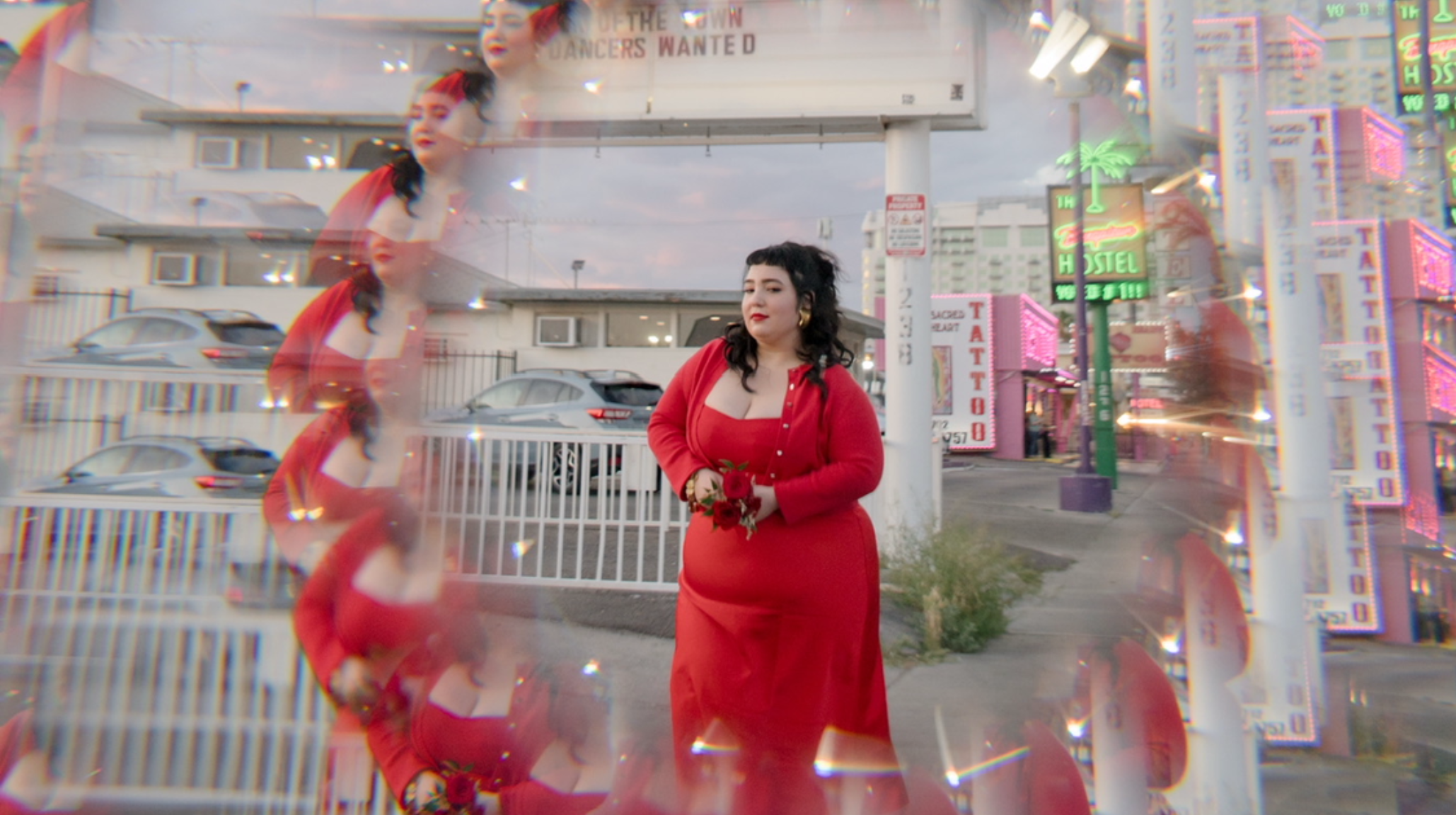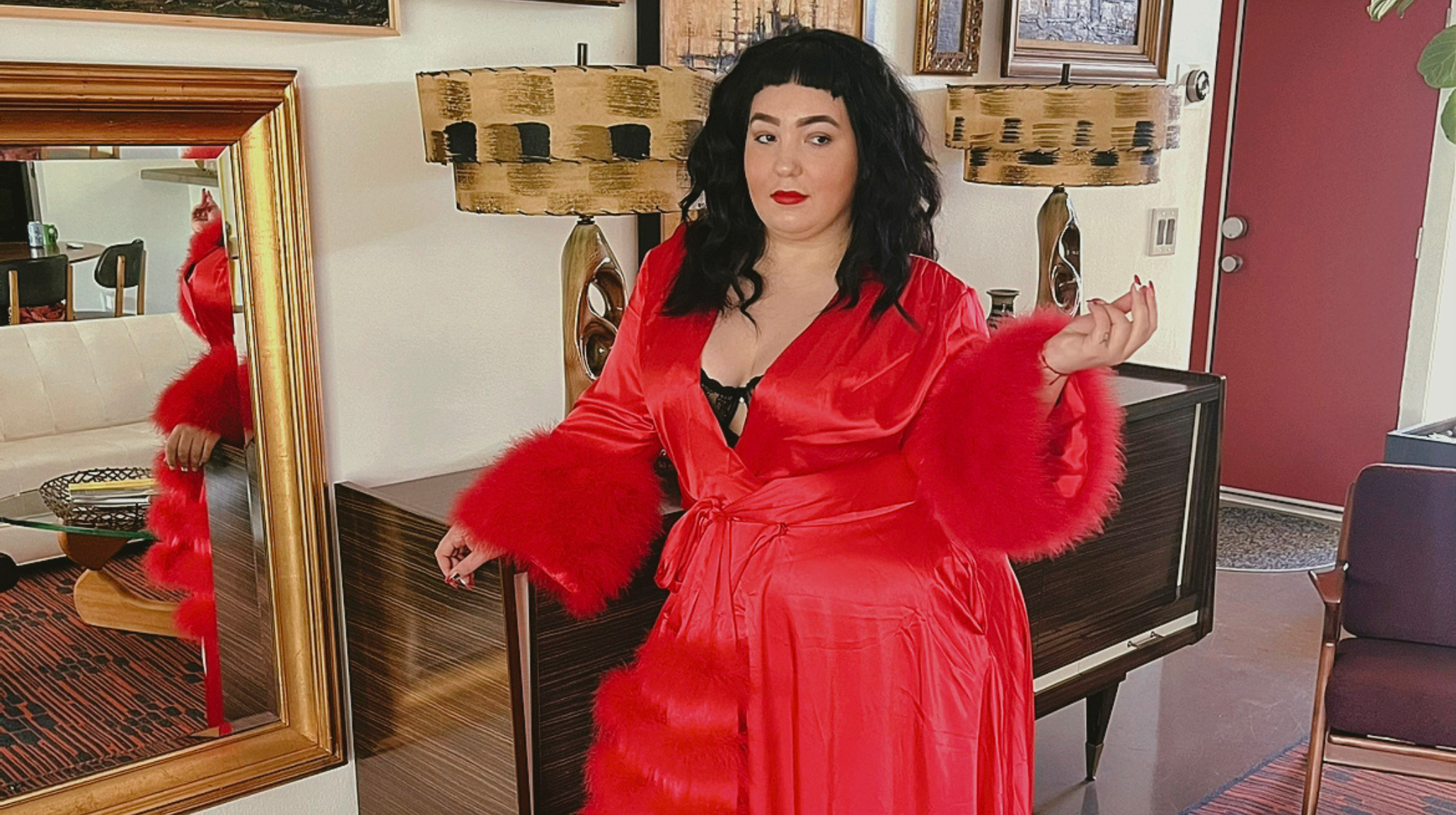
Three years ago, I launched HoneyWhippedFeta.com during one of the most turbulent stretches of my life. I was deep in grief over the sudden loss of a friend, and days later, I was laid off. For a couple of months, I was in a really dark place, and honestly, it wasn’t pretty. Then somewhere along the way, I was like, I can’t keep sitting in this. All of this grief isn’t doing anything for me.
That friend, A, was one of the most impactful people in my life. Spiritually, we would often reflect on our own practices together. Professionally, we worked in the same field, so I would often bounce creative ideas off of her. She understood the ad agency world better than I did, but she also had a past in food blogging, so she understood a lot of what I felt in a way that has been unmatched. I still think about A all the time. Her loss is immeasurable. But I find ease in knowing she’d tell me to get up and do something, and fuck what anyone else thinks.
So I asked myself, what’s something I’ve always enjoyed doing? Creating, mostly on social media. I’ve always loved social media. It started early on, when I would make fan pages for bands on Xanga. See, I never really had a ton of friends as a teenager. I had a lot going on in my family life, and I was goth-ish, scene-ish, whatever you want to call it, so social media felt like a place where I could be whoever I wanted to be. I created my own world that existed on my terms and had its own social norms, and in that world, I was cool.
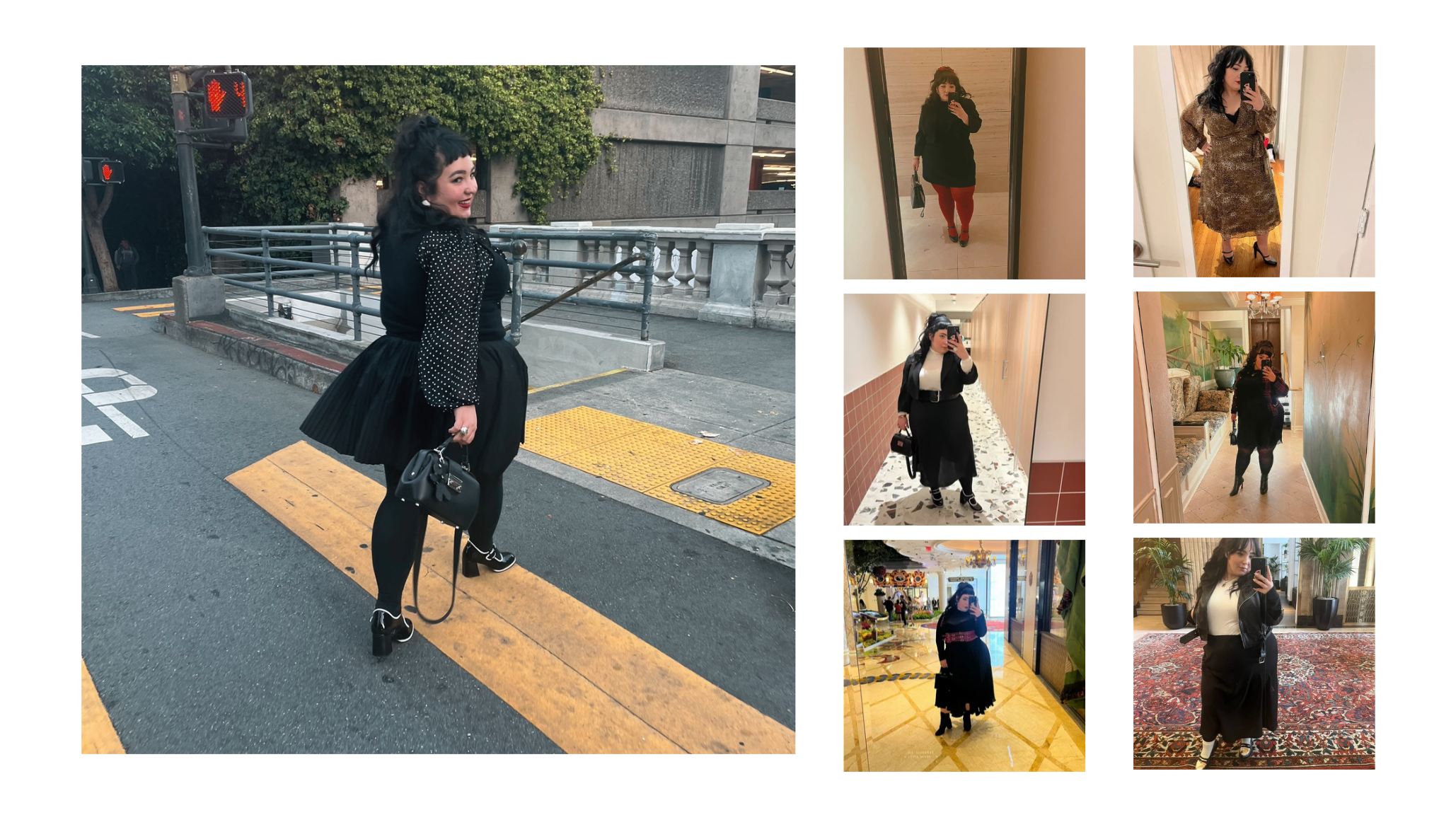
As I got older, I got into Tumblr and Instagram, and eventually started a YouTube channel with a small following, very, very small, like 5K. I grew a similar following on Instagram, where I really picked up traction in the body positive and plus-size fashion space, until it all got to be too much for me. I’ve written a lot about that, and I still have a lot of feelings about it, but all in all, it caused me to leave the internet for two years, because it just wasn’t working for me anymore. I still worked in social media professionally, so I was still very much online, just posting as brand accounts. Yes, I was even briefly managing social for one of the world’s biggest consumer food brands.
By the time I was ready to come back, I had spent so many years in marketing and the ad agency world that I’d learned everything you could imagine about blogging, SEO, writing, content, social strategy, paid ads, and influencer marketing. I was sitting on this whole knowledge base, and I wanted to make something for myself with it. But I also knew all the drawbacks of social media. I don’t like character limits. I don’t like having to censor myself when I talk about sex, intimacy, and sex work. I don’t like feeling contained to one specific thing. So I decided to come back to social media, but not really in the same way. Instead, I’d use it as a funnel, a tool. With a website, I could do whatever I wanted and say whatever I wanted. Most importantly, I’d have ownership over what I create and put into the world. What I’m building exists outside of any single platform.
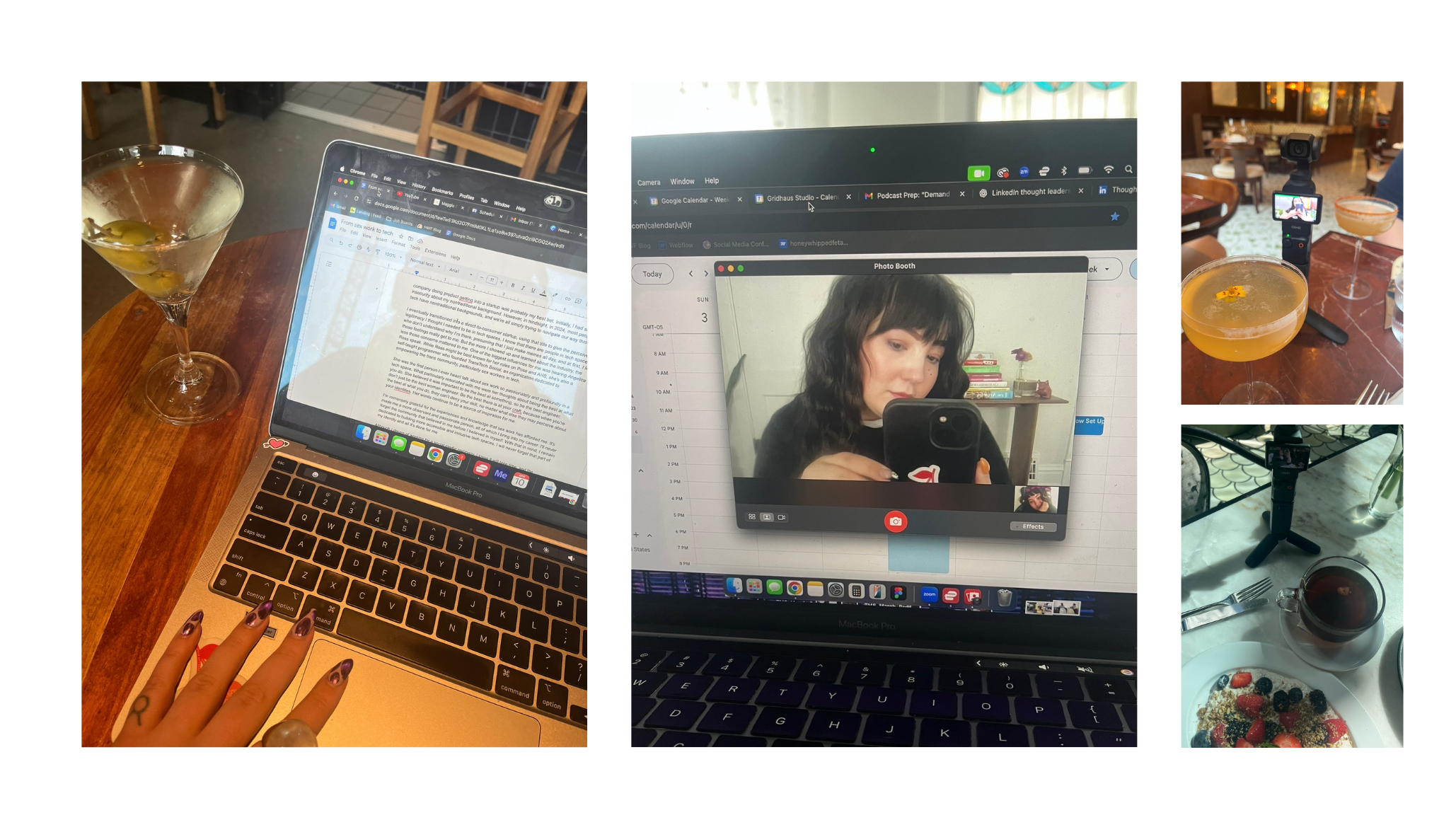
That’s how Honey Whipped Feta (HWF) was born, and it’s become my truest form, the place where I feel I can most be myself. When I built the website, I was intentional about not making it a blog-style platform, because I didn’t want comments. I wanted it to be a space where I put what I love into the world with no outside opinions, everything from lamenting over perfume to style guides to Queer tech history, or even the most scandalous, debatable things I could think of. I never considered myself a writer, and I don’t know if I do now, but I certainly tell people I am, because it’s the easiest way to explain what this is.
But I never really talked about HWF outside of the internet and my close friends. When I was in the corporate world, I was really scared of people finding out about it, which is hard, because it’s such a creative lift, and to some extent it connects to the skill level of my job. I’m very, very proud of this. But because of the nature of what I talk about, I was anxious that my employer or coworkers would find it and dig around. I really don’t need my coworkers to know about any of my sexual proclivities.
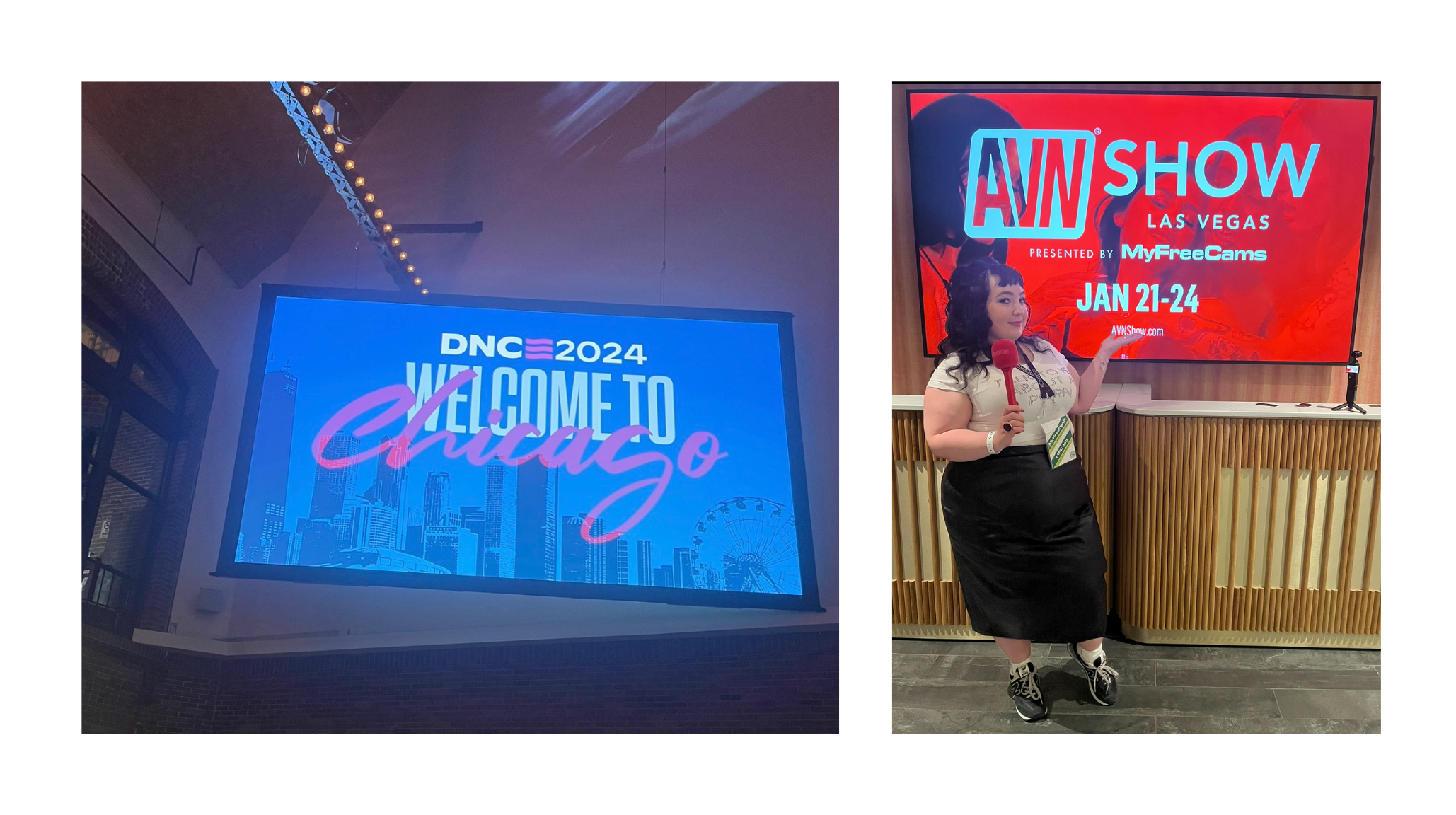
When I first started, I wanted HWF to be tech-centric. I didn’t think I was techy enough, and I felt like I had to prove myself to the tech community, that I understood it enough, that I was smart enough to talk about these things, and that, to some extent, I deserved a space in the industry. But over time, I learned that a lot of the people really responding to what I say about tech aren’t necessarily in tech. They work adjacent to it, or they’re interested in how it’s impacting our larger lives, whether that’s the surveillance state, elections, age verification, or social media being social media. I think those people are looking for a voice that’s objective but also pretty cynical about tech, and I don’t blame anyone for wanting some criticalness in tech.
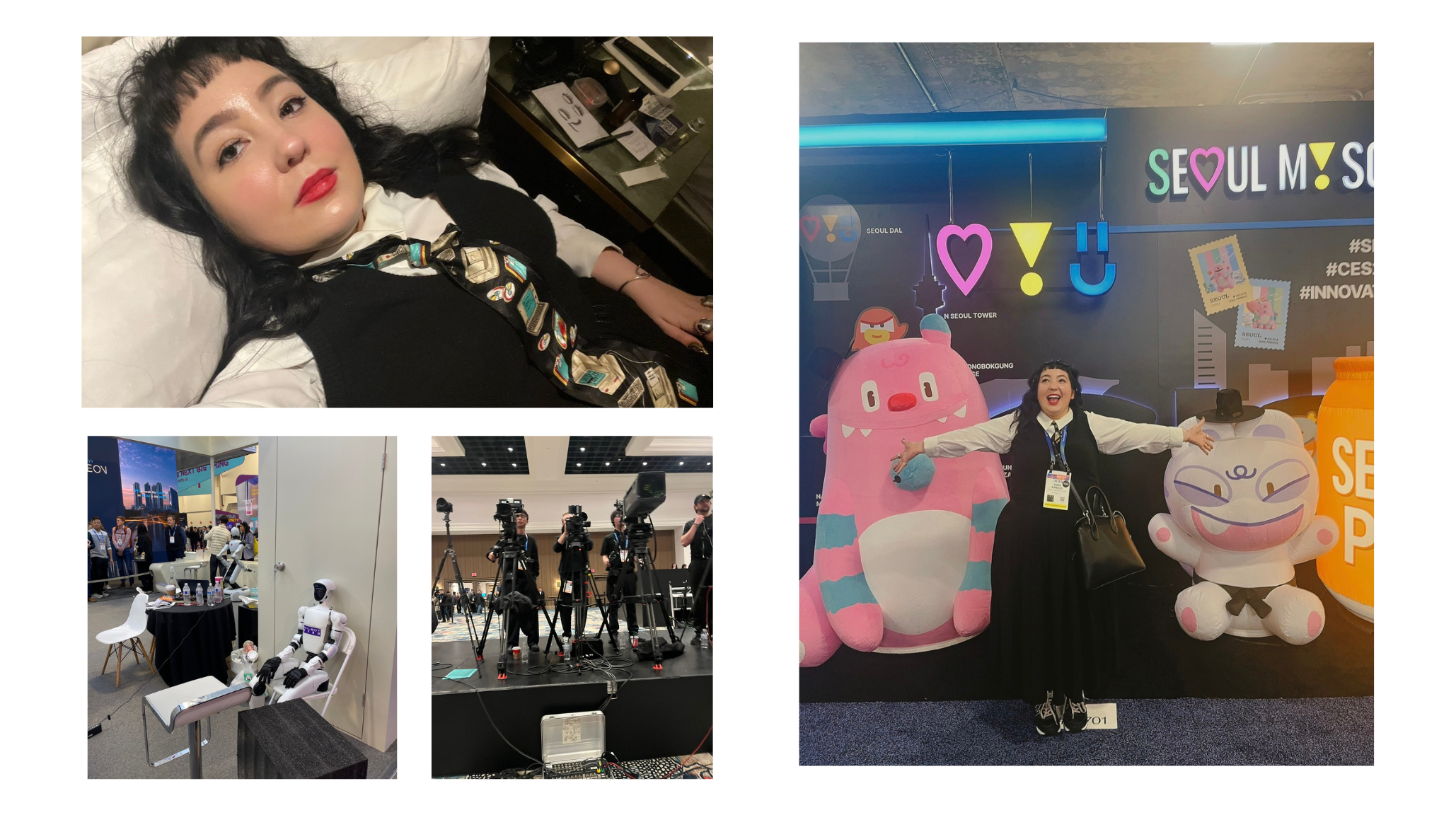
Then I was featured in The Verge, and listen, that changed things. It shifted my mindset to, if I’m good enough for The Verge, then I’m good enough for anyone else. And if I’m being honest, I stopped caring as much about what technical people thought of me. The reality is that I’m not writing code or navigating engineering spaces, so why am I sitting here begging for validation from some abstract being? After that, I went to CES and Grace Hopper, both as an observer and as media. At CES, I met a lot of men who have no idea about the tech industry and somehow have huge followings, which really kicks the imposter syndrome out of you pretty quickly. There are so many different ways to be tech, all with their own complexities. Now, do I still crave some validation from what could be considered tech institutions? Yes, sadly.
What’s been even harder to make peace with over the last few years is the idea of being perceived. Creating means contending with what people think of me, and one of the hardest parts has been people having opinions about my body. I’ve been fat all my life. I grew up a fat kid, so I can tell when someone’s giving me a backhanded compliment or being disingenuous. But I’ve also learned to tell when people are projecting their own insecurities onto me, insecurities that, quite frankly, I had never even thought of. And trust me, I have plenty of insecurities that objectively are probably frivolous to other people, like the width of my nail beds or the shape of my stomach.
But a comment I often get is, “Wow, I’ve never seen a body type like mine before.” Objectively, I don’t think I have a unique body type. I’m a plus-size woman with hips and a stomach. Or someone will say, “Oh my God, finally someone’s showing their stomach,” and I’m like, great, now I have a new complex. I know this isn’t very body positive of me to admit, but yes, I have insecurities about my stomach. Hello, I’m a woman who grew up in the early 2000s. TrimSpa, baby.
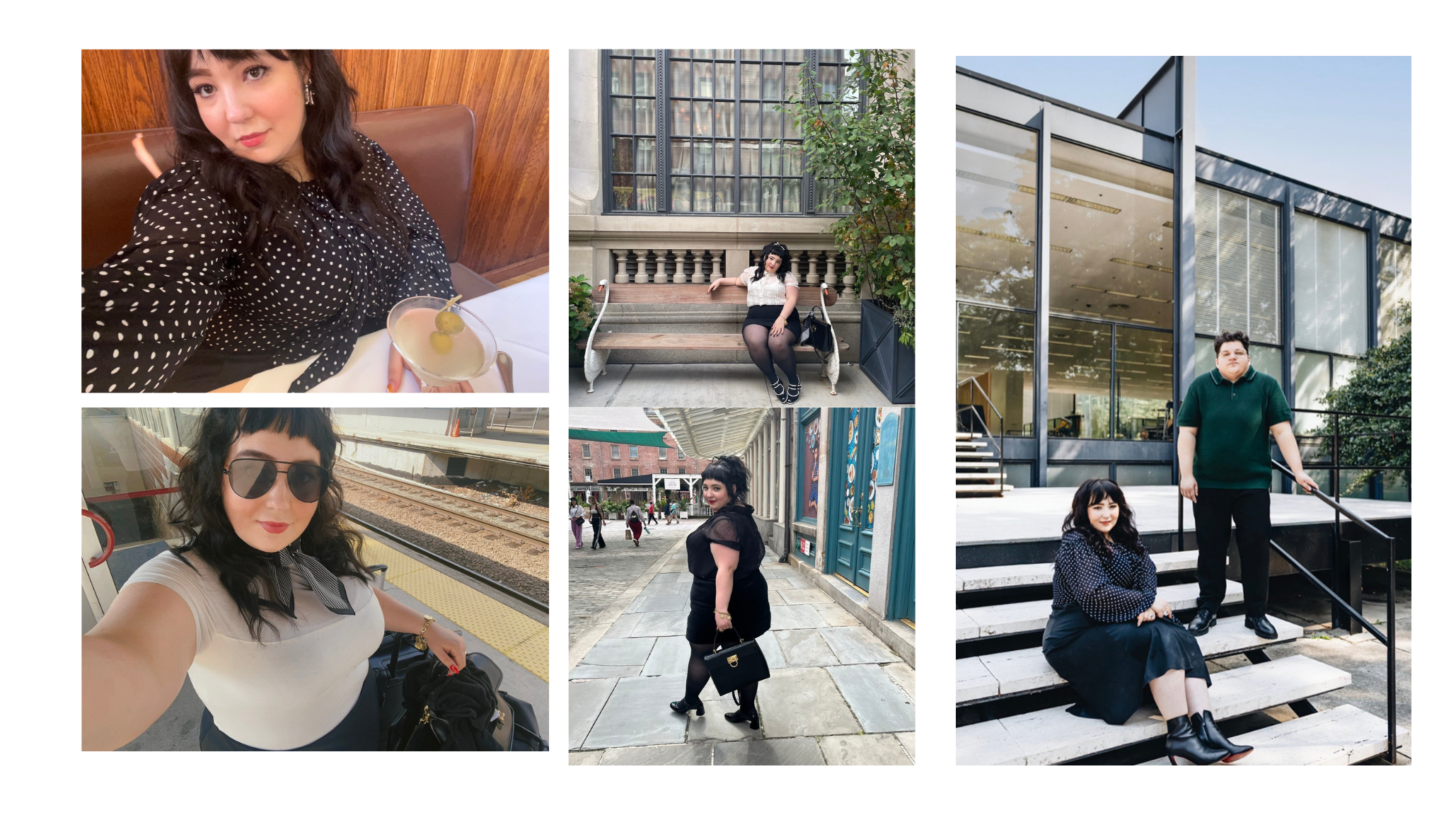
Social media, and fat positivity and body positivity in particular, has made simply existing in a fat body seem like some everyday revolutionary type shit. For me, it’s not. Me wearing an outfit is not a radical act. I’m just getting through the goddamn day and putting a look together. Yes, I think some things about existing as a queer woman, a femme, in a lot of the spaces I’m in are radical. But constantly saying it, or worse, making content out of it, feels odd to me, like a juxtaposition. Perhaps this is a tangent, but I so often see people going out of their way to call something revolutionary in their content. I get it, it gets engagement, but it’s reductive, and I’m of the mindset to just shut up and keep it moving.
At the end of the day, I don’t want to be just my body. I have so much more to offer than that, and since I made my income from my body for a good portion of my life, I suppose I’m, to some extent, hypersensitive to being reduced to it.
Then there are the mean comments. Honestly, they’re mostly about my voice, that it’s grating or that I have the worst vocal fry, and they almost always come from men. Sometimes I get a “you’re so fat,” but those don’t impact me, because they’re from losers on the internet. And again, girlhood in the 2000s desensitized me to that.
The ones that get to me are rooted in moral purity. I’ve been on the receiving end of cancellations three times in the last few years.
Once, I criticized a brand for how it shot clothes on its plus-size models. The garments weren’t sitting right, the seams were gaping, and you could see the zipper. From a production standpoint, those things should have been caught, and it told me there was a lack of care for how plus-size bodies fit and move in their clothes. People asked me for examples of brands doing it well, didn’t like the ones I gave, and somehow the conversation became about being “flattering,” a word I never once used. What followed was a couple of weeks of nonstop mean comments and DMs, including one that said, “Well, I would never take fashion advice from a small fat.”
The harshest criticism I’ve gotten has come from within the communities I love and support, mostly the plus-size and Queer communities. It feels like a purity Olympics, one I’m not interested in playing. People are flawed and imperfect, and constantly measuring them against ever-evolving ideals of progressivism isn’t helpful, in my opinion. Still, it’s hard to sit with, because those comments make me feel like I’m not good enough, and like I should account for every single experience of every single person and wrap it all up perfectly, even when those experiences contradict each other.
After that experience, with hundreds of comments and DMs, something in me got hardwired to be a little more anxious and on alert. It’s certainly not going to stop me from saying things, but it does change you a bit. I worry a lot about upsetting these communities, and people at large, because, I don’t know, to some extent I want to be “good.”
But if the last three years have taught me anything, it’s that I can’t make everyone happy. After working in the ad agency world for so long, it’s easy to get critical really quickly, critical about everything, how things look, how things feel, how they come across. But I don’t have the budgets some of my clients had, and sometimes I just need to get things out. That doesn’t mean I don’t care about them. When I started, I had this really well-intentioned desire for everyone to feel seen in what I make. The reality is that’s not going to happen. I’m going to upset someone. Someone’s not going to feel seen or validated in every single piece.
I’ve grown to think it’s actually really self-righteous to assume I can connect with everyone, because most of my writing, especially about sex, relationships, and fashion, is shaped by my lived experiences, and those are different for everyone. I don’t feel seen in The Real Housewives, but I love The Real Housewives. I don’t see myself in Schiaparelli collections, but I appreciate their beauty. I believe the right people will see it and connect with it in the way they see fit.
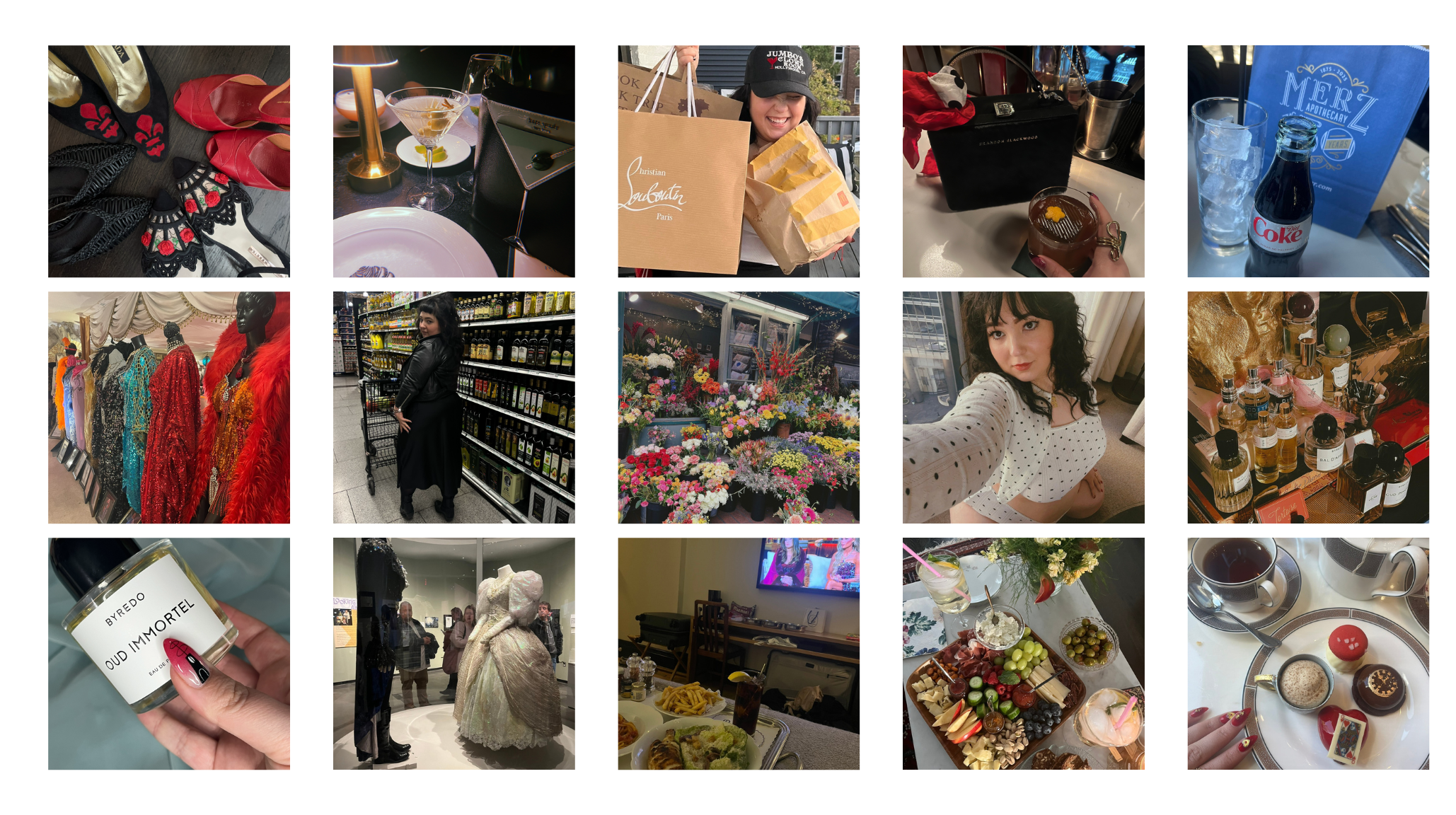
So here I am, three years in. In that time, I’ve been laid off again, started my own business, gotten married, and come out the other side of my Saturn return. HWF has been there through all of it, and honestly, I think it’s only getting started, however self-righteous that sounds. I’m still deeply worried that what I’m making isn’t good enough, or compelling, or important, or that, to some extent, I’m not enough. But for whatever reason, I have this weird, self-delusional will that refuses to let me stop. As insecure as I may be, I never want that to stop me. If anything, I want to double down. My own form of prediction betting, I suppose.
I do want HWF to grow beyond me. I have this wild vision of it being bigger. I’d love to bring on other writers and more production, but I want to pay people equitably, and I don’t have those funds right now. I’m optimistically manifesting a sensual fragrance night with a Chicago fragrance store for Valentine’s Day. I’m working on some long-form series coming out in early to mid-2027, focused on the idea of sinning and pleasure in a purist world. I’d love to do more print, and I’d really love to work with brands. My dream would be Playboy levels. I don’t see a limit for myself. I want it all, and I like that I want it all.
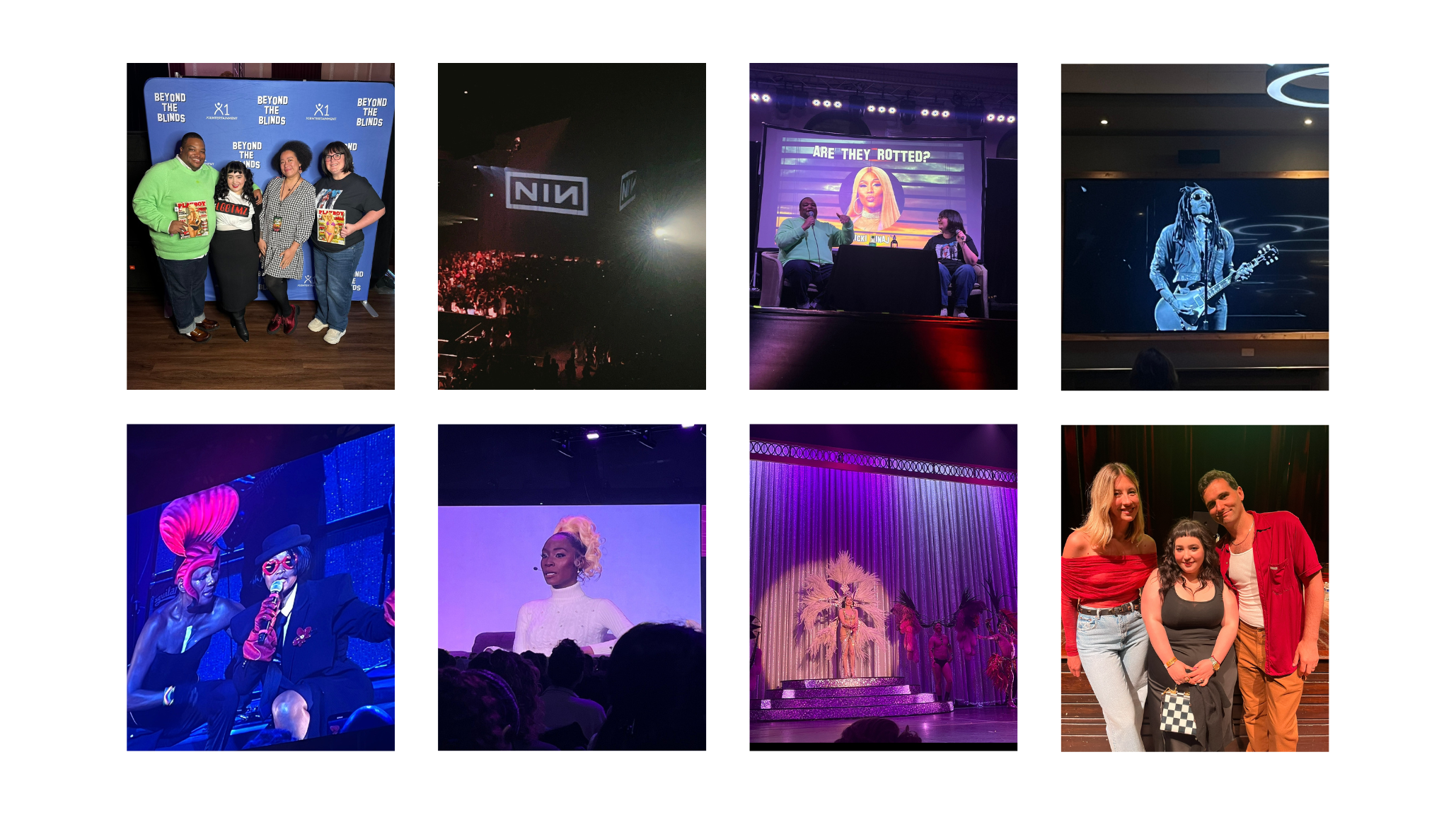
I really, really appreciate the support I’ve gotten. When people message me, it tends to be about things that are sensitive or difficult to talk about, like money, sexual assault, intimacy, or body stuff, and it means a lot that people trust me and feel like they got something from what I’ve said. The world can feel really big and lonely and then really small at the same time, which is a fucking trip. Time seems to be the greatest luxury, so I’m immensely grateful that you choose to spend yours with me.
If you are reading this far, and you dream of doing something, literally anything, and everything points to no, and everyone tells you no, do it anyways. Never let a rejection stop you, do not let criticism, real or imagined stop you. Be creative, explore new things, chase rejection, and do the fucking thing!
Cheers to many more years of Honey Whipped Feta. Below are some of my favorite pieces I’ve written in that time.
Alt-Right Aesthetics: How the Internet Is Radicalizing Women Through Culture
Built to Protect, Programmed to Fail: Inside the Tea App Leak That Hit 4chan
Can Playboy Make Sex Cultural Again?
Cherry Glossed Thoughts: Tech Layoffs, 634 Job Rejections, and Why I'm Building My Own Thing
From Horny Jail to Legal Limbo: Texas's Age Verification Bill Impact on Pornhub Users
Notes on Femme: Beauty, Power, and Resilience
Personal Style 101: Tips To Finding Your Style Foundations
Pixels of Pleasure: My Career Path from Sex Work to Tech
Smells Like Bloc Party: Scent Pairings for Every Album
The Art of Being a Good Host: Tips, Tricks, and Philosophies for Every Budget
The Honeytrap: Money, Sex Work, and the Price of Ambition
The Horny Perfume Guide: 10 Extremely Sensual Fragrances
The Fraudulent Whore
The Plus-Size Vintage and Secondhand Clothing Guide: Where to Shop and What to Look For
The Real History Behind The Social Reckoning | Facebook, Politics & the Facebook Files