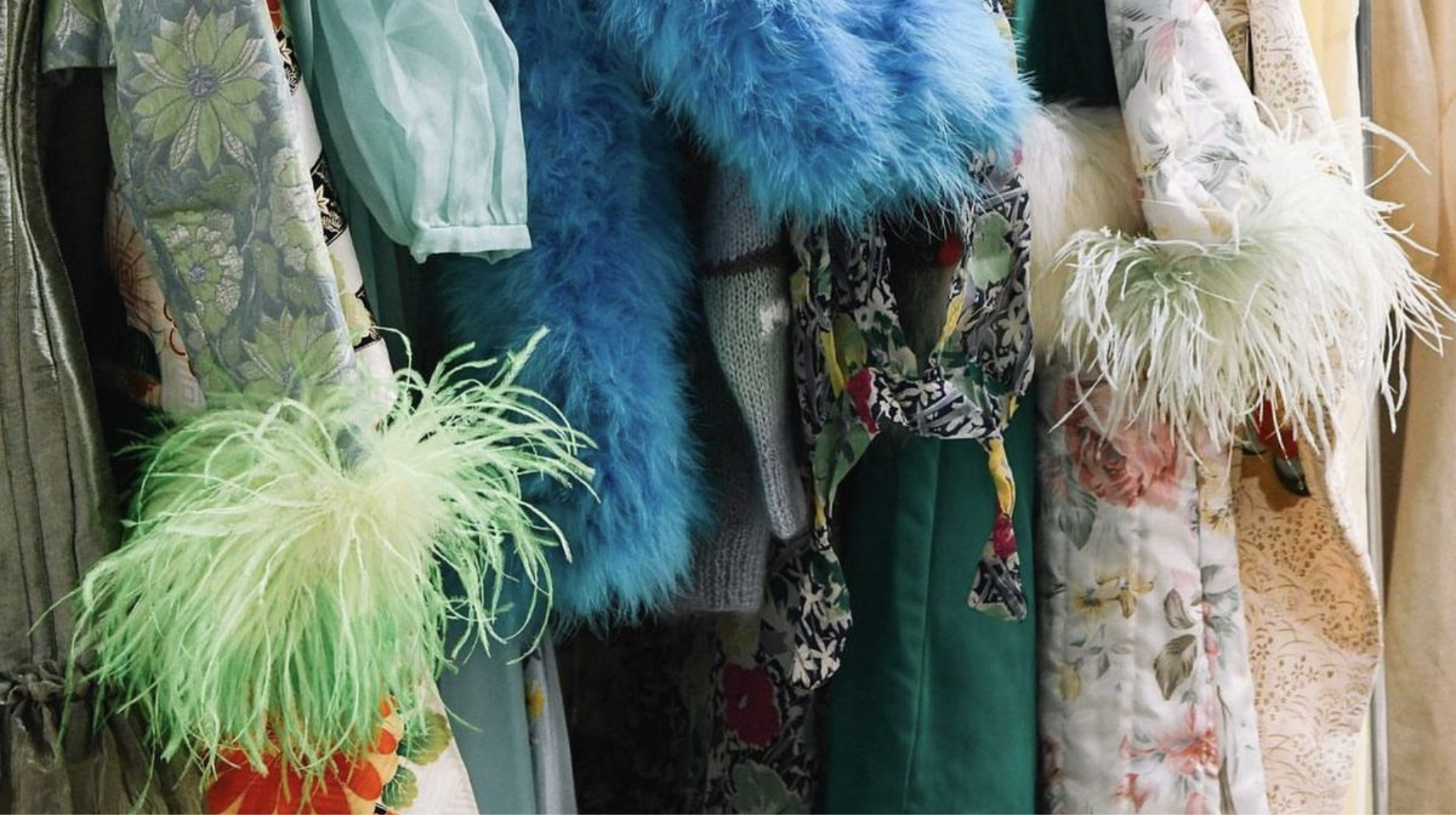
Vintage and secondhand shopping as a plus-size person is one of the most rewarding things you can do for your wardrobe — and your wallet. But it takes patience, a little strategy, and knowing what to actually look for. This guide covers everything: measurements, where to shop, how to search, what fabrics and silhouettes to keep in mind, and how to evaluate whether a piece is truly worth it.
Start with your measurements
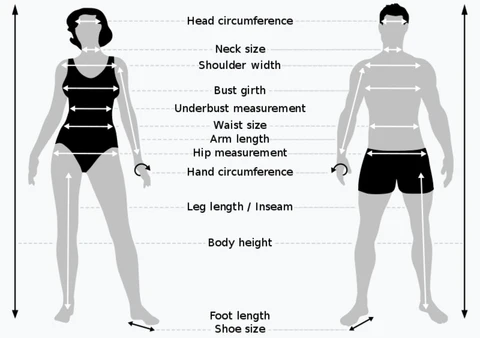
Before anything else, grab a soft tape measure and write down your key numbers. Keep them saved somewhere you can easily reference. These should include bust, waist, hips,shoulder width and sleeve length (for tops and jackets). Though this last one is highly optional. I would also recommend taking a measurement of some of your clothing laying down, especially for blouses, as sometimes they are listed pit to pit.
It’s worth nothing you bust and high hip are your hardest limits — these are the most difficult and expensive places to alter. Your waist and hem are far more tailorable, so a little tightness there doesn't have to be a dealbreaker.
The golden rule: always defer to the measurements listed in a garment's description, not the number on the tag. Vintage sizing is not modern sizing — a labeled "20" from the 1980s might fit a modern 16. Ignore the tag entirely, the measurements are what matter.
Be patient, this is a slow treasure hunt
If you're just getting into vintage and secondhand shopping as a plus-size person, know upfront that it takes time to build a wardrobe this way. Tbh, it takes time to build a wardrobe no matter what, It’s taken me years to develop my personal style and build a wardrobe I love! That's not a discouragement — it's just the nature of the market, and accepting it early makes the whole experience more enjoyable. Once you learn how to search and what to look for, you'll start finding pieces consistently. The learning curve is real but short.

Where to shop
If you're new to this and don't want to risk a purchase not fitting, The RealReal and ThredUP are both great starting points because they frequently offer returns. Both platforms typically list garment measurements in the description, which is ideal when you're still getting your footing. A few things to note: both have some items marked non-returnable, so always read the description carefully before buying. ThredUP in particular runs frequent markdowns on plus sizes — it's worth checking regularly. You can even save searches and sizes!
Once you're ready to dig deeper, eBay, Poshmark, Depop, Whatnot and Etsy open up a much wider and more interesting selection. These platforms require more effort but reward it. Sellers on Depop and Poshmark are usually very responsive to measurement requests — just ask. It's completely normal and expected in this space.
My favorite search approach on eBay is keyword-first, not size-first. Search by aesthetic descriptor rather than filtering by size immediately — something like "vintage red cardigan plus size" or "vintage sparkly blouse." Browse what comes up, find what you like, then go into the listing to check measurements. Different fabrics have different stretch and give, so filtering by size alone will cause you to miss a lot of great finds.

Plus-size focused stores worth knowing
These are stores that specifically cater to plus-size shoppers and carry vintage or secondhand. Many of them run Instagram Story sales and Whatnot sales — follow them and check in regularly. Following their Instagram accounts is the best way to stay in the loop on new inventory and sales. You can get genuinely great deals that way, often before pieces ever hit the main shop floor.
- Berriez — New York
- Plus BKLYN — New York
- Proud Mary — Los Angeles
- Luvsick Plus — Chicago
Know your fabrics
Fabric knowledge will save you from a lot of misfit purchases. Not all fabrics behave the same way, and that affects both how a garment fits and whether it will work for your body.
- Knits can vary wildly — some have a lot of stretch and give, others are more structured and won't budge.
- Cotton is generally more breathable and flexible, with some natural give depending on the weave.
- Silk and satin are more structured and less forgiving. They drape beautifully but leave little room for error in fit.
- Wool and crepe can be structured or drapey depending on the blend — worth checking the full fiber content if possible before buying.
When in doubt, ask the seller what the fabric is, especially if it's not listed. Knowing whether something has stretch before you buy can make or break the fit.
Understand silhouettes by era
The decade a piece comes from tells you a lot about the fit before you even look at the measurements. Silhouettes shifted dramatically across the 20th century, and knowing what to expect helps you shop smarter.
- 1950s — nipped waists, full skirts, very structured. This is the hardest era to size up in, and the waist is almost always the problem area.
- 1960s — Mod and shift silhouettes dominate this era, with A-line cuts and boxy, structured tops. Less nipped than the 50s, which helps, but these pieces tend to be cut straight through the body with minimal curve allowance.
- 1970s — flowy, less structured, and often more forgiving. Wrap styles, knits, and looser silhouettes make this one of the better decades for plus-size shoppers.
- 1980s — boxy and oversized silhouettes were genuinely in style, especially for plus sizes. There's more room built into the design, particularly in tops and blazers.
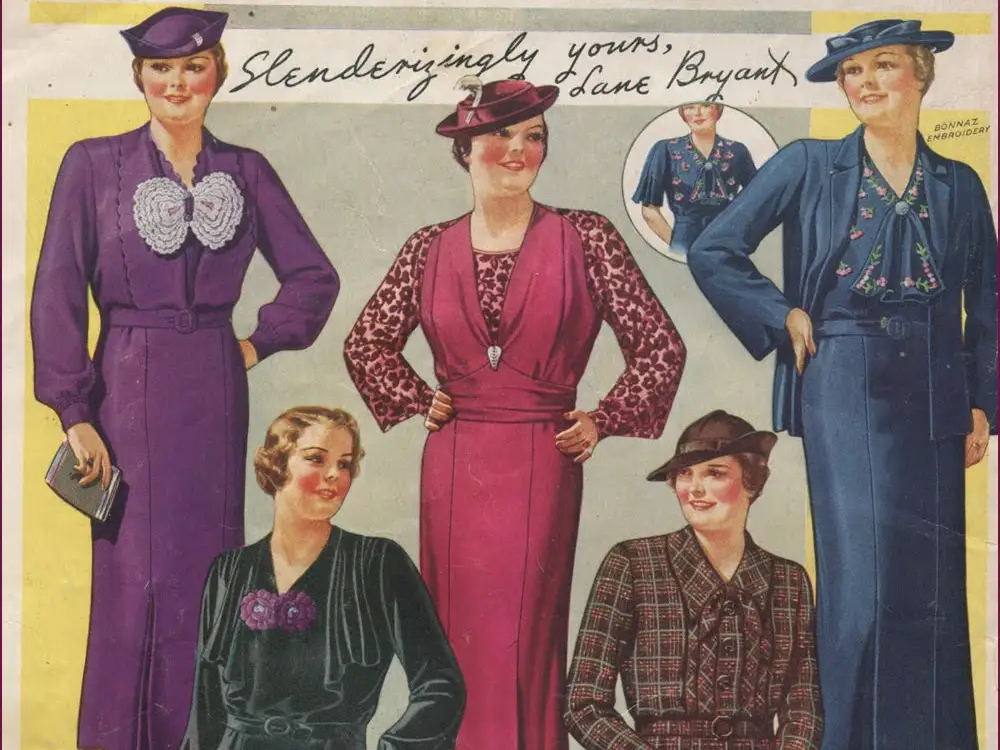
- 1990s — a shift toward more fitted styles, but stretch fabrics became more common. A mixed bag depending on the label and the garment type. Lots of vintage Lane Bryant readily available.
Evaluating a piece before you buy
Condition language in listings can be vague. "Excellent vintage condition" means something different from "good" or "shows wear." Look for any mention of underarm staining, pulled seams, odor, or pilling. When in doubt, ask the seller for additional photos — specifically of the underarm seams, closures, and any noted flaws if they have not listed pictures of the flaws. Most sellers on Depop and Poshmark are happy to provide them.
Pay attention to closures. Vintage zippers and metal buttons have very little give. A dress that fits everywhere but has a back metal zipper with no stretch is a very different situation from a wrap or a stretch knit. Closures can sometimes be replaced, but factor that into your overall cost if you're considering it.
Odor is also worth thinking about. Vintage can carry mustiness, old perfume, or smoke. Some of it airs out or washes away easily — but smoke set into natural fibers often does not. If a seller doesn't mention condition notes, it's fair to ask. My hack for smoky clothes is a baking soda wash two or three times and leaving it outside to air dry.
.png)
Thinking about cost
One of the things I always come back to when shopping vintage and secondhand is total cost, not just the sticker price. There are a few things worth factoring in before you commit to a piece.
The first is tailoring. A blouse that needs full side panels lifted and taken in is a very different investment than a skirt that just needs the hem adjusted. Minor alterations are usually reasonable and worth it for a piece you love. Major structural work can add up quickly and push the real cost of a garment well past what you paid for it. Know what you're working with before you buy.
The second is care. Check whether something needs dry cleaning or special handling, and be honest with yourself about whether that fits into your life. I personally love hand washing — I use a soap called Soak, add it to warm water, let the garment sit for a bit, rinse, and you're done. Very low effort for pieces that need a gentle touch. For things like blazers that require dry cleaning, I find I can get quite a few wears in before a trip to the cleaner, so while I factor that cost into the overall price of the garment, it's rarely as cumbersome as it sounds.
The third is cost per wear. This is the framework I keep coming back to: divide the total cost of a garment — purchase price plus any tailoring or care costs — by how many times you realistically expect to wear it. A $80 blazer you wear 40 times costs $2 per wear. A $25 dress you wear twice costs $12.50 per wear. Vintage pieces tend to win this math because they're built to last and, when you find the right one, you reach for them constantly.
Now, the actual deals. The RealReal, in my opinion, has not done a great job capturing the plus-size consumer in marketing efforts. Which works in our favor, because the pieces are there if you look, and they're often underpriced because of it. ThredUP is notoriously good for bargains and runs frequent markdowns on plus sizes. Whatnot is also worth paying attention to right now — a lot of vintage dealers are joining the platform and there are genuinely good deals to be had while it's still relatively new. Instagram Story sales from plus-size focused stores (see below) are another one to watch. Follow the right accounts and you'll catch pieces before they ever hit the main shop floor, often at a significant discount.
Brands worth knowing
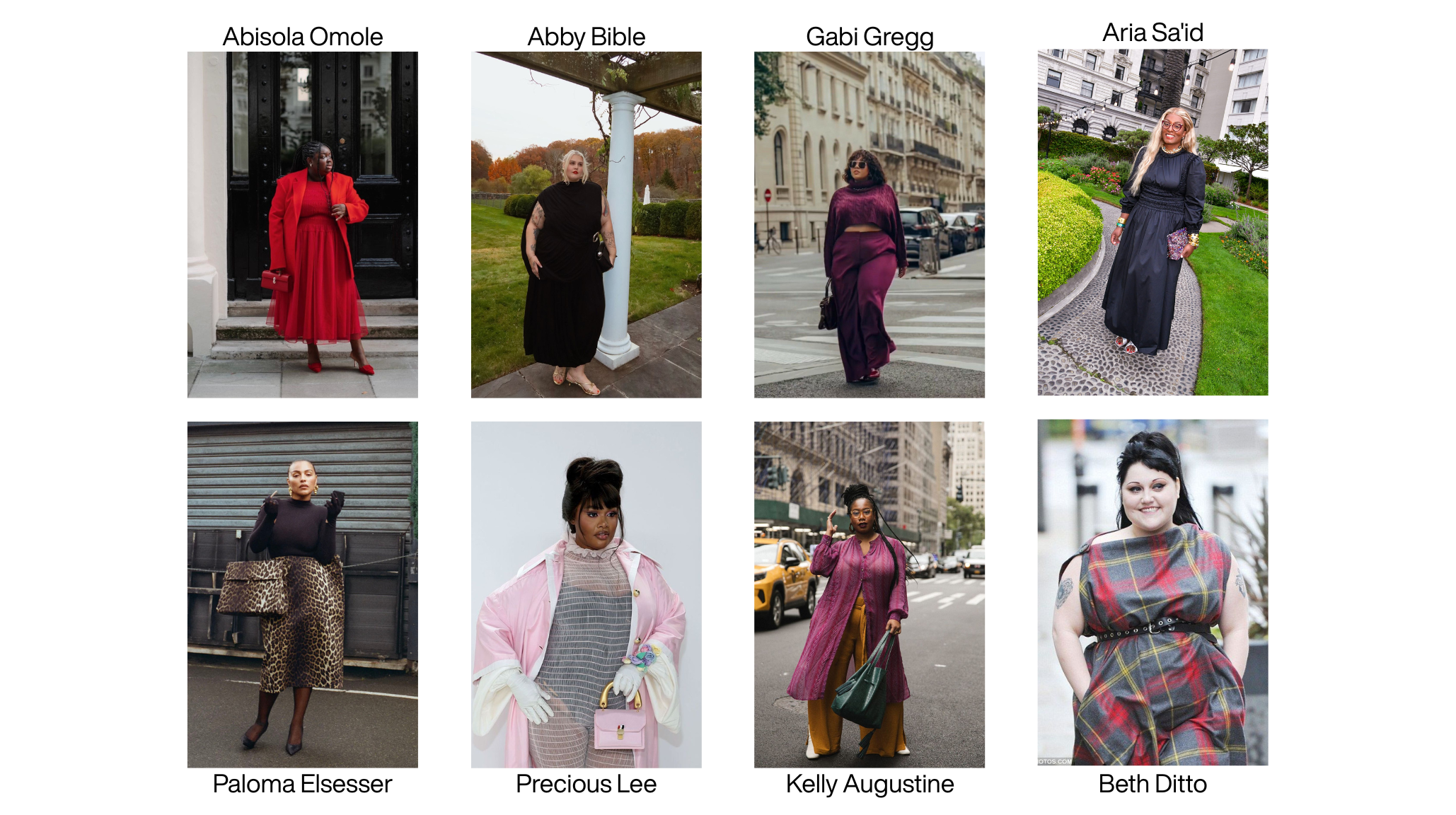
Getting familiar with labels makes searching much faster. These are vintage brands that are pretty common to see in plus sizes, though overall it feels like the wild west when it comes to plus-size vintage.
- Ann Taylor Loft
- Bob Mackie
- CJ Banks
- Cold Water Creek
- Dress Barn
- Jones Sport
- Lane Bryant
- Talbots
- Torrid (early era)
- QVC collaborations — honestly, a lot of QVC collabs, especially from the 2000s onward, come in 3X. There are real hidden gems here, and QVC used to have noticeably better quality than a lot of what's on the market now.
For contemporary designers worth hunting on the secondhand market:
- BAACAL
- Diane von Furstenberg — her wrap dresses are worth checking, especially if you're around a size 16 and under, though fit can vary depending on the fabric and your proportions
- Lafayette 148 ★— my personal favorite for secondhand finds
- Mara Hoffman ★ — my personal favorite for secondhand finds
- Maria Rinaldi
- Pleats Please by Issey Miyake — the pleating builds in significant ease, making pieces more size-flexible than the label might suggest
- St. John
Why vintage and secondhand are worth it
Beyond the thrill of the find, there are real reasons to shop this way — and they compound over time.
The biggest one, in my opinion, is quality. Older garments were made with better fabrics and much more careful construction. Things like seam work, lining, and material quality are genuinely different in vintage pieces, and a lot of it equals or surpasses what's being sold today, especially at retail price points. When you find a well-made vintage piece and take proper care of it, it can last for years.
Sustainability matters here too. Buying secondhand keeps clothing out of landfills and, long term, reduces demand for fast fashion production, which has well-documented environmental and human rights impacts.
The overall market for plus-size vintage and secondhand has grown a lot, and there are great communities, stores, sellers, and creators around it. It's such a good resource for finding cool, interesting pieces that actually fit your personal style — and it just makes dressing fun again. Everyone deserves to feel good, beautiful, sexy, powerful, or whatever it is they want to feel in their clothes. I hope this guide helps you feel like you can.
Additional Writings:
My Favorite Places To Shop
My Capsule Wardrobe Staples: Timeless Pieces for Effortless Style
Personal Style 101: Tips To Finding Your Style Foundations
Like what I have to say?! Subscribe to my email newsletter!