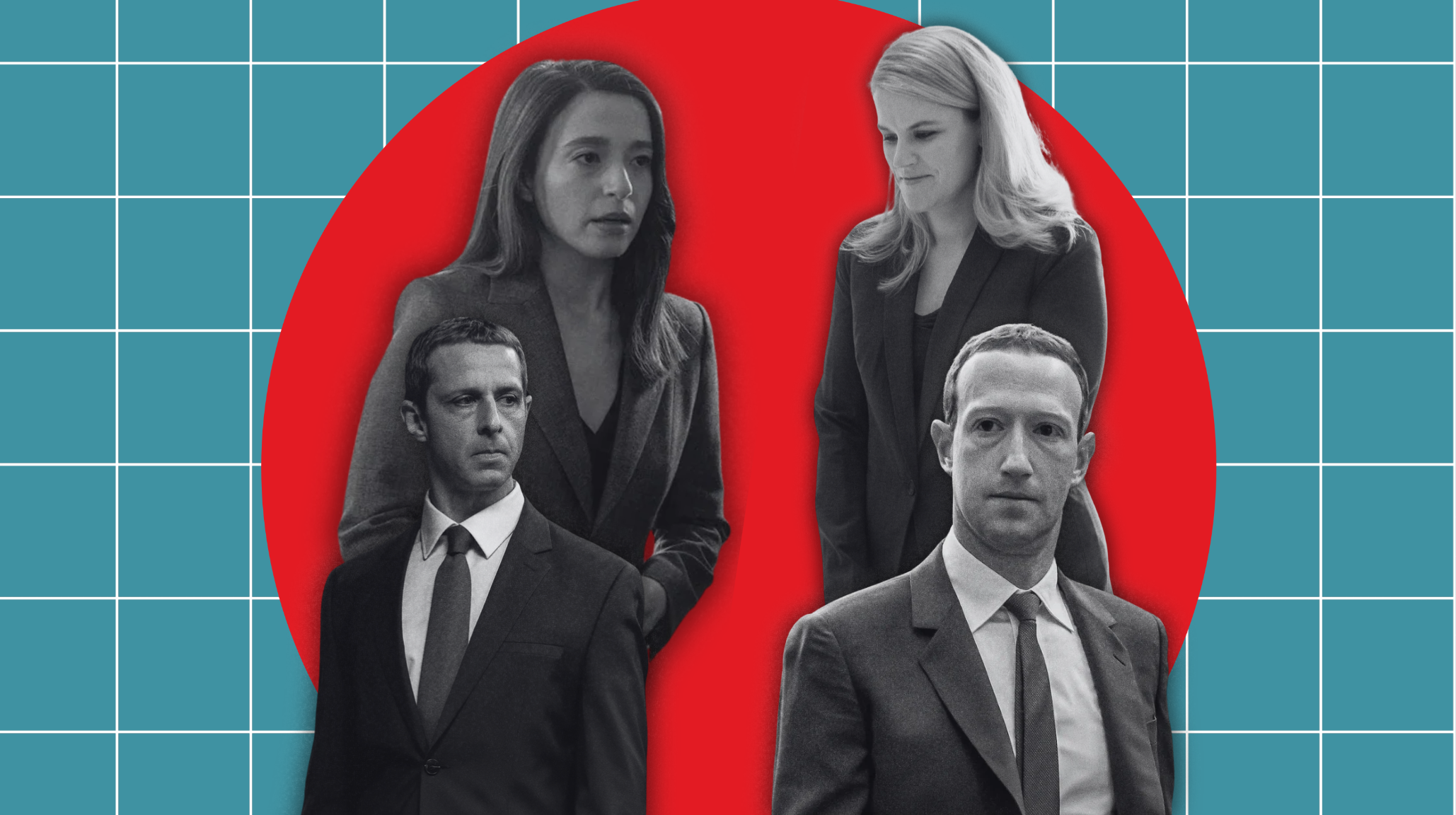
With The Social Reckoning set to hit theaters on October 9, 2026, we’re returning to Facebook. Only this time, we’re dealing with a very different Facebook than the one we left behind in The Social Network. The original film took us through Facebook’s earliest years, from its creation at Harvard in 2004 through the lawsuits and betrayals that accompanied its meteoric rise. But much has changed in the years since.
Written and directed by Aaron Sorkin, The Social Reckoning is being described as a companion piece to The Social Network. Mikey Madison stars as former Facebook employee and whistleblower Frances Haugen, Jeremy Allen White plays Wall Street Journal reporter Jeff Horwitz, and Jeremy Strong takes over the role of Mark Zuckerberg. A real doozy of Jeremys.
Unlike The Social Network, this story takes place after Facebook had already become one of the most powerful companies on the planet. The film is based on the events that led to The Wall Street Journal’s 2021 investigation The Facebook Files, when thousands of pages of internal Facebook documents provided by former Facebook data scientist Frances Haugen offered an extraordinary look at what was happening behind the scenes at the company.
So, ahead of The Social Reckoning, I thought it would be useful to revisit some of Facebook’s biggest scandals from this period and, more importantly, contextualize how we got here and the history behind the film. This isn’t intended to document every Facebook controversy to ever grace the internet. We would be here all day. Instead, consider this your pre-movie refresher on the Facebook scandals, controversies and internal decisions that provide context for The Social Reckoning. I’ve worked in social media for more than a decade and, for better or worse, have become far too acquainted with Meta’s suite of products along the way.

The Facebook Files and What Facebook Knew
TL;DR: Facebook knew a lot. Like, a lot. Internal documents showed the company was aware of problems across its platforms involving misinformation, political polarization, violent content, human trafficking, calls for violence against specific ethnic groups, teen mental health, and more. It also had tools capable of addressing at least some of these problems and, according to whistleblower Frances Haugen, repeatedly failed to adequately use them when doing so conflicted with growth and engagement.
Among the revelations that received the most attention: Facebook’s own research found Instagram could make body-image issues worse for some teenage girls. The documents also revealed XCheck, an internal system that allowed millions of celebrities, politicians, journalists, and other high-profile users to go through a different moderation process than the average Facebook user.
The specifics:
In September 2021, The Wall Street Journal began publishing The Facebook Files, an investigative series based on thousands of pages of internal Facebook documents provided by a then-anonymous source. A few weeks later, former Facebook employee Frances Haugen revealed herself as the whistleblower during an interview with 60 Minutes. Haugen had joined Facebook in 2019, specifically seeking out work related to misinformation after watching a friend become consumed by online conspiracy theories. She eventually worked on Facebook’s Civic Integrity team, which focused on risks to elections, including misinformation. Following the 2020 election, Facebook dissolved the team and distributed its work across other departments. Haugen would later point to that decision, along with Facebook’s handling of safeguards surrounding the election, as evidence of what she saw as the company repeatedly prioritizing growth and engagement over safety. Facebook disputed that characterization.
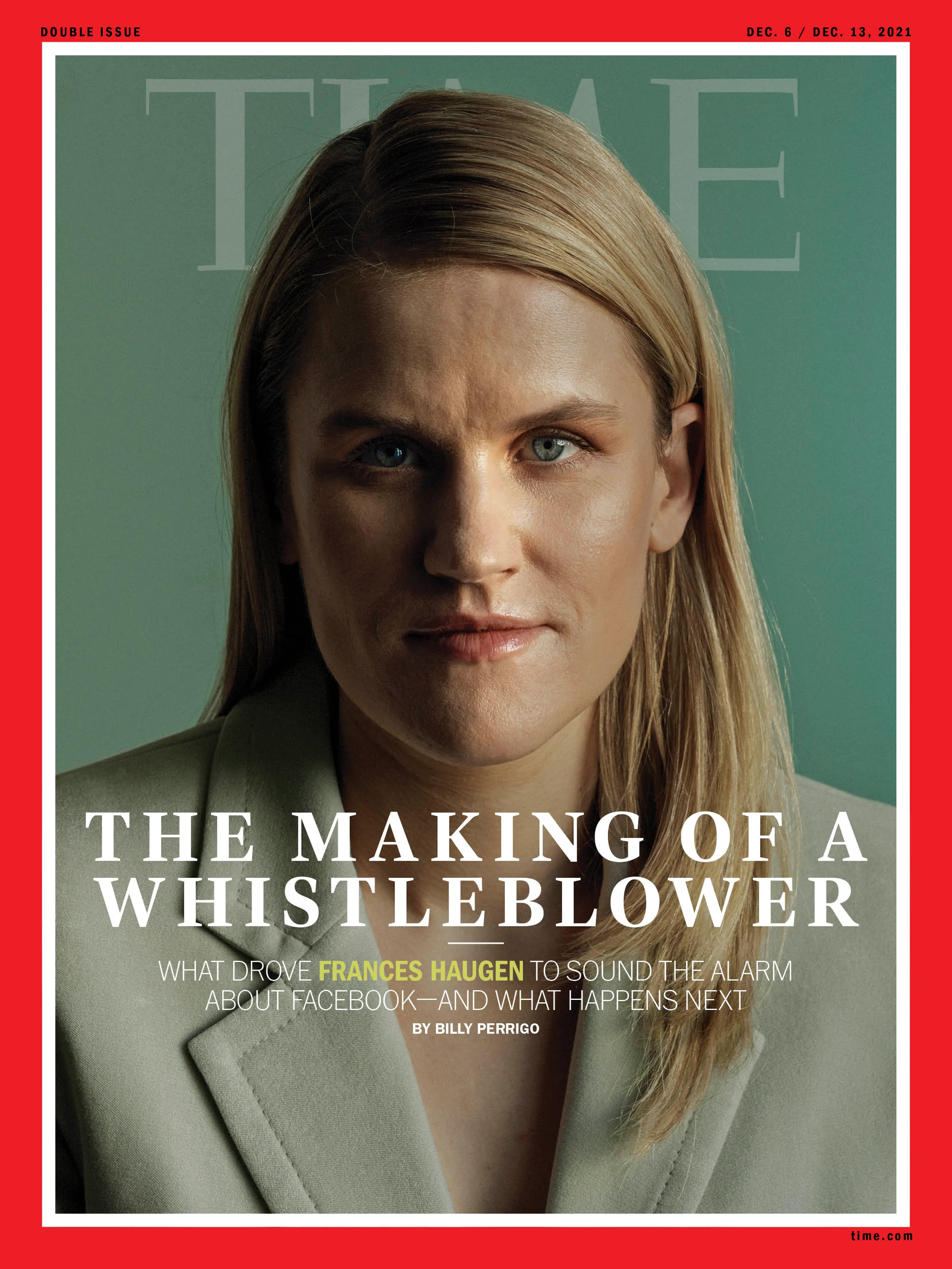
A major theme running through Haugen’s disclosures was Facebook’s algorithm and the company’s reliance on engagement. In 2016, Facebook expanded beyond the Like button and introduced emotional reactions including love, haha, wow, sad and angry. Beginning in 2017, Facebook’s ranking system gave these reactions significantly more weight than a traditional Like when determining what appeared in someone’s News Feed, at one point valuing a reaction at five times a Like. Internal researchers later found that angry reactions appeared disproportionately on misinformation, toxic content and other problematic posts. Facebook gradually reduced the weight given to anger, eventually bringing it down to zero in 2020. Haugen also pointed to Facebook research in which European political parties reported feeling pressure to make their communications and policies more extreme in response to the platform’s incentives and gain attention from audiences. For Haugen, the larger problem was clear: Facebook had built systems capable of rewarding content that generated outrage and polarization precisely because those emotions could also generate engagement.
Some of the most widely reported revelations concerned Instagram and teenage girls. Internal Facebook research found that among teenage girls who were already experiencing body-image issues, roughly one in three said Instagram made those issues worse. Another study found 13.5% of U.K. teen girls who reported suicidal thoughts said those thoughts became more frequent after starting on Instagram, while separate internal research found 17% of teen girls experiencing eating disorders said Instagram made them worse. Haugen then went on to argue that a feedback loop would be created as young girls spent more time online the worse they felt.
Then there was XCheck, or “cross-check,” an internal program designed to provide additional review of enforcement decisions involving high-profile accounts. According to documents reported as part of the Facebook Files, the system grew to encompass millions, notably of celebrities, politicians, journalists and other influential users who could go through a different moderation process than the average Facebook user. One particularly high-profile example involved Brazilian soccer player Neymar, who in 2019 posted intimate images of a woman who had accused him of rape. Despite Facebook’s rules prohibiting nonconsensual intimate imagery, the images remained online for more than a day before being removed. By 2020, internal documents showed XCheck covered at least 5.8 million users. And this was only one part of the larger leak, which also raised questions about Facebook’s handling of human trafficking, hate speech, incitement to violence, misinformation and its ability to adequately moderate its enormous platforms around the world.
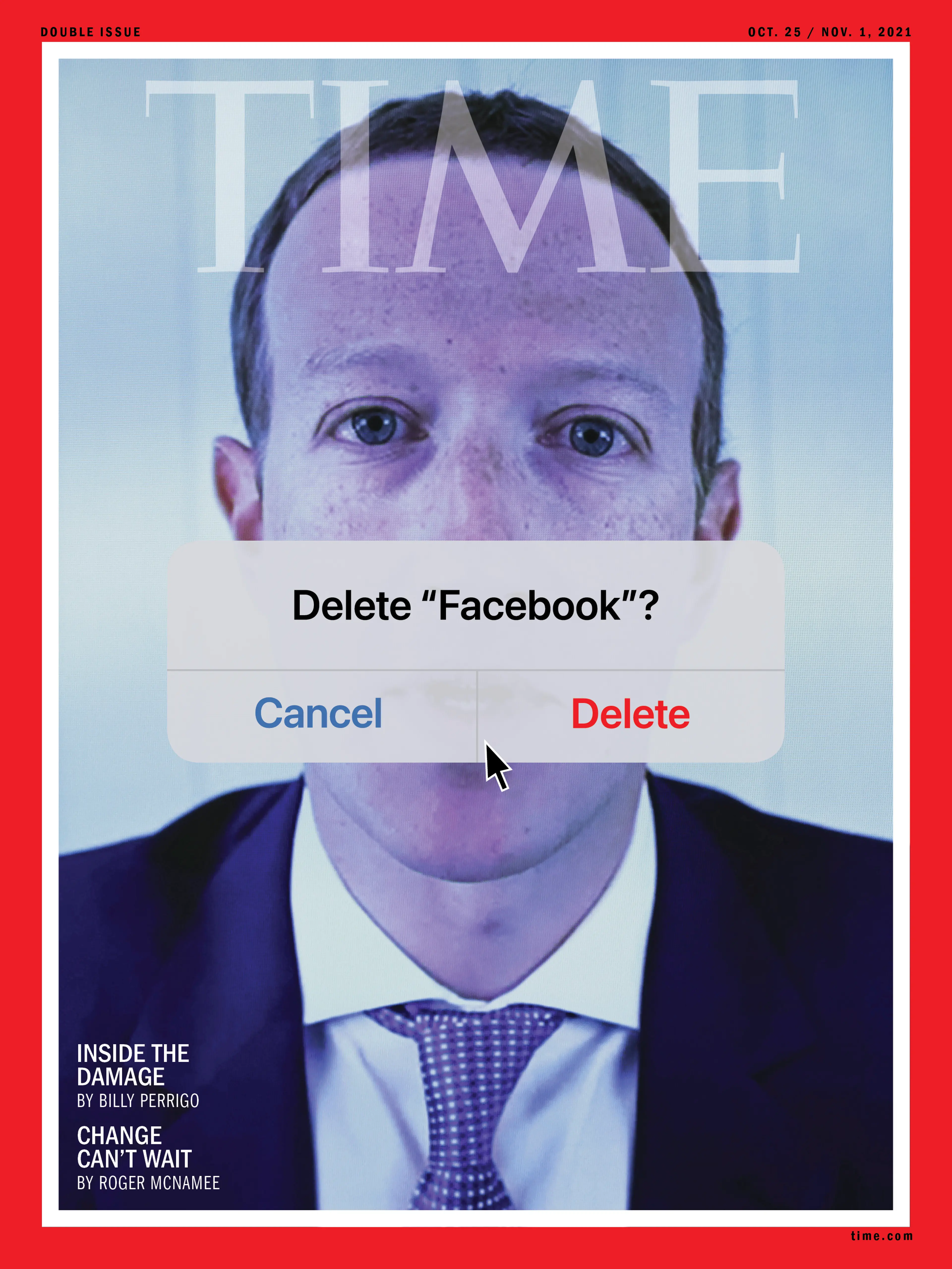
Taken together, Haugen argued that the documents showed Facebook knew more about the potential harms of its products than the public did and that, when faced with decisions that could pit safety against engagement and growth, the company too often chose the latter. Facebook rejected that interpretation, arguing that its internal research demonstrated the company was actively trying to understand and address difficult problems across its platforms. On October 5, 2021, two days after revealing her identity on 60 Minutes, Haugen took her allegations to Congress, testifying before a Senate subcommittee about Facebook’s internal research and the decisions she witnessed while working at the company. But none of these problems appeared out of nowhere in 2021. By the time Haugen walked out of Facebook with thousands of pages of internal documents, the company had already spent years weathering scandals over data, elections, misinformation, violence and the extraordinary amount of power it had accumulated over how billions of people communicate.
Cambridge Analytica and the 2016 Data Privacy Scandal
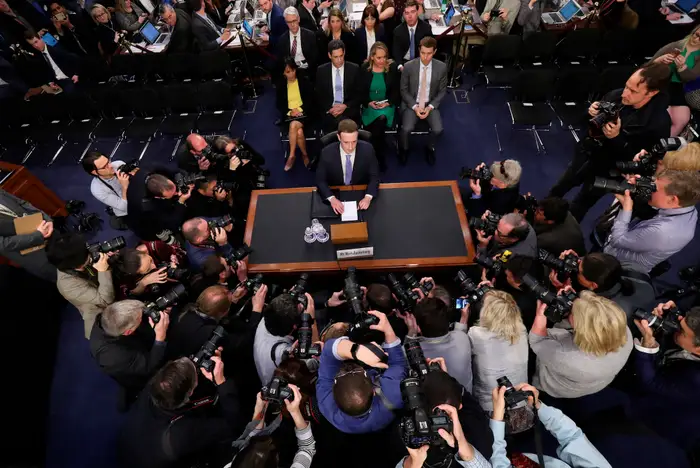
TL;DR: In 2018, Facebook became engulfed in a massive privacy scandal after it was revealed that data connected to as many as 87 million Facebook users, most of them in the United States, may have been improperly shared with Cambridge Analytica, a political consulting and data analytics firm that worked for Donald Trump’s 2016 presidential campaign. The data originated with a Facebook personality quiz called “thisisyourdigitallife,” created by Cambridge University researcher Aleksandr Kogan. Only around 270,000 people actually downloaded the app, but Facebook’s policies at the time allowed developers to collect certain information about those users’ Facebook friends as well, dramatically expanding the amount of data Kogan was able to collect.
Cambridge Analytica used Facebook data as part of its efforts to build psychographic voter profiles and offer political microtargeting services. The company also had a notable connection to Trump campaign chief executive Steve Bannon, who had previously served as a vice president and board member of Cambridge Analytica. The scandal raised a much larger question that would follow Facebook for years: how much control did users actually have over their data once they handed it to Facebook?
The Specifics:
While the era of Facebook listicles and personality quizzes may have mostly passed us by, let’s take it back to 2013, when Aleksandr Kogan, a researcher at the University of Cambridge, developed a Facebook personality quiz app called “thisisyourdigitallife.” Users were paid to take a personality test and agreed to give the app access to certain information from their Facebook profiles. Pretty standard Facebook behavior for the time. The problem was what the app could collect beyond the people who actually agreed to use it.
At the time, Facebook’s developer tools allowed certain apps to access information not only about the person using the app, but also about that person’s Facebook friends. So while only around 270,000 people downloaded “thisisyourdigitallife,” the app was able to collect information connected to tens of millions of additional users who had never downloaded the app, taken the quiz or directly given Kogan permission to collect their data. Kogan subsequently provided data collected through the app to Cambridge Analytica, violating Facebook’s platform policies. But Cambridge Analytica wasn’t exactly your run-of-the-mill data analytics company.

Founded that same year as a subsidiary of the British SCL Group, Cambridge Analytica emerged from a company already working in data, behavioral research and strategic communications, including work for governments and military organizations. Billionaire hedge fund manager Robert Mercer and his family became major financial backers of the company, while Steve Bannon served as a vice president and board member before later becoming chief executive of Donald Trump’s 2016 presidential campaign.
Facebook, meanwhile, was beginning to change how much information developers could access. In 2014, the company announced new restrictions that significantly limited how much information third-party apps could collect about a user’s Facebook friends. Under the new system, an app could no longer simply gain access to information about someone because their friend had decided to use it. There was, however, a rather important catch: existing apps were given a transition period before the new restrictions fully took effect. Kogan’s app had been operating under Facebook’s earlier, much more permissive rules.
Cambridge Analytica began working for Ted Cruz’s presidential campaign, offering data analysis and voter-targeting services. The Cruz campaign ultimately reported paying Cambridge Analytica approximately $5.8 million during the 2016 election cycle.
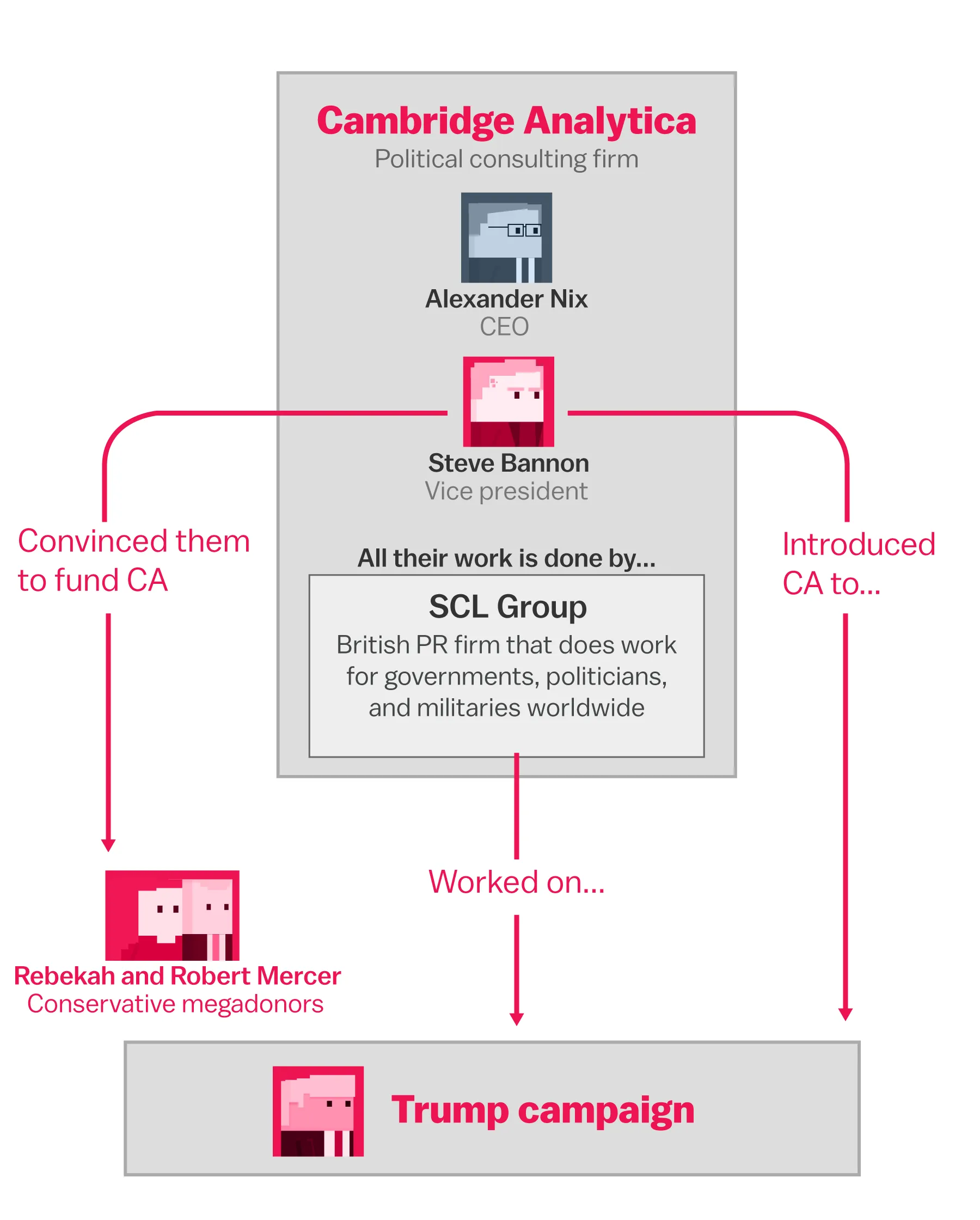
Facebook has said that it learned in December 2015 that Kogan had transferred Facebook user data to Cambridge Analytica and other parties. The company removed Kogan’s app from the platform and demanded that Kogan, Cambridge Analytica and others who had received the data delete it and certify that they had done so. For the time being, Facebook considered the matter handled. Cambridge Analytica, meanwhile, was about to become even more involved in American politics.
After Cruz dropped out of the Republican presidential primary, the political network surrounding Cambridge Analytica began shifting toward Donald Trump. Robert Mercer and his family, who had financially backed both Cambridge Analytica and Cruz’s presidential bid, moved their support to Trump. The Mercer-backed super PAC that had previously supported Cruz, led for a time by Kellyanne Conway, was reoriented toward supporting Trump. Conway would go on to join Trump’s campaign, as would Steve Bannon, Cambridge Analytica’s former vice president and board member.
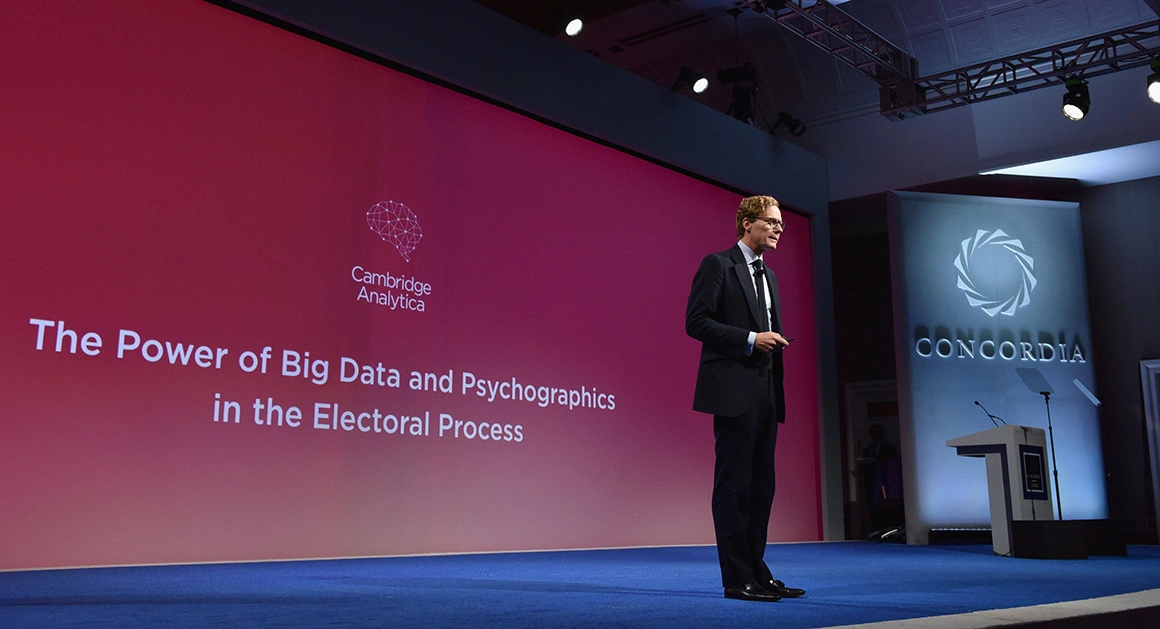
Cambridge Analytica itself also went to work for Trump’s campaign, promoting its ability to combine consumer information, voter data and psychological profiling to divide voters into groups and target them with different political messages. The scale of its digital operation was substantial, at least according to Cambridge Analytica’s own post-election materials: the company claimed it ran more than 4,000 advertising campaigns for Trump that generated more than 1.4 billion impressions.
This is also where it’s important to separate two stories that are often lumped together: Cambridge Analytica and Russian interference in the 2016 election. Both involved Facebook and the 2016 presidential election, but they were distinct operations. Cambridge Analytica worked with political campaigns using voter data and targeting tools, while Russia’s influence operation included cyberattacks and a separate social media campaign carried out in part by the Kremlin-linked Internet Research Agency. There would eventually be questions and investigations into Cambridge Analytica’s international relationships and its handling of data, but that shouldn’t be confused with Russia’s separate efforts to influence the election.
For the next two years, much of what had happened with Kogan’s Facebook data remained out of public view. That changed in March 2018, when former Cambridge Analytica employee Christopher Wylie came forward and The New York Times and The Observer published investigations detailing how Facebook data had ended up in the hands of the political consulting firm. What had largely existed as a story about political data and targeting suddenly became a massive Facebook privacy scandal, and the number of people potentially affected would soon climb to 87 million.

Russian Interference in the 2016 U.S. Election
TL;DR: While Cambridge Analytica was harvesting and using Facebook data for political targeting, a separate operation was unfolding on the platform. Beginning years before the 2016 election, the Internet Research Agency (IRA), a Russian organization based in St. Petersburg, created fake American personas, Facebook pages and Instagram accounts designed to look like they were being run by actual people and grassroots political organizations in the United States.
Facebook eventually told Congress that approximately 80,000 posts from 120 Russian-backed Facebook pages reached an estimated 126 million people, while IRA-linked Instagram content reached millions more. The operation touched issues across the political spectrum, including race, immigration, religion, gun rights and LGBTQ+ issues, often using existing divisions in American society as material for its content. U.S. intelligence agencies concluded that Russia carried out a broader influence campaign targeting the 2016 election, while later investigations documented the IRA’s extensive use of American social media platforms.
The Specifics:
According to a February 16, 2018 federal indictment brought by Special Counsel Robert Mueller's investigation, the Internet Research Agency (IRA) began targeting the United States as early as 2014. The indictment charged 13 Russian nationals and three Russian companies in connection with efforts to interfere in American political processes. Prosecutors alleged that IRA employees created hundreds of social media accounts using fake or stolen American identities, disguised their locations using American servers and posed as politically active Americans. By July 2016, more than 80 employees were reportedly assigned to the IRA's American-focused operation.
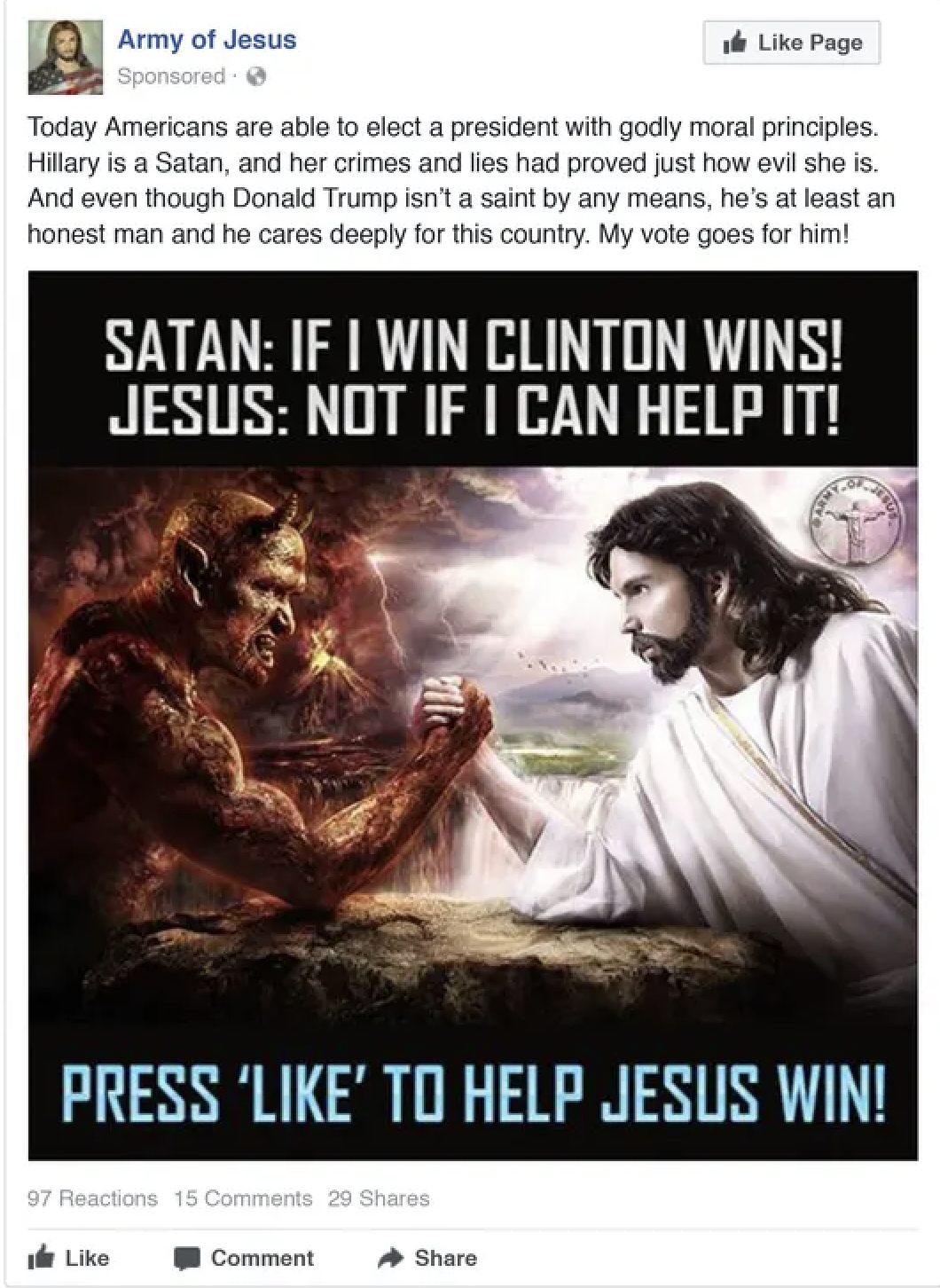
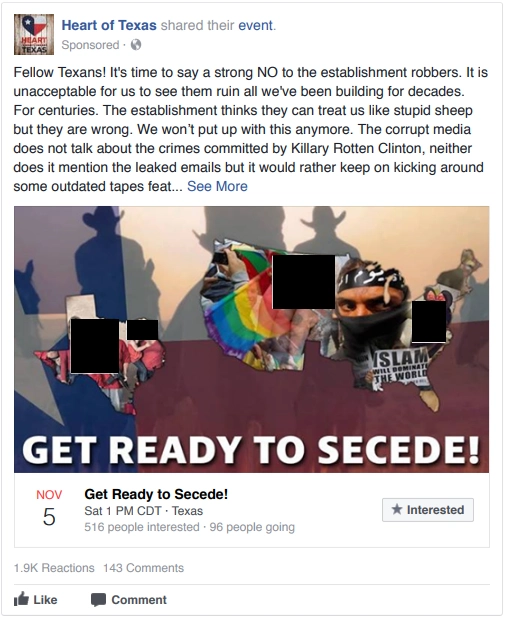
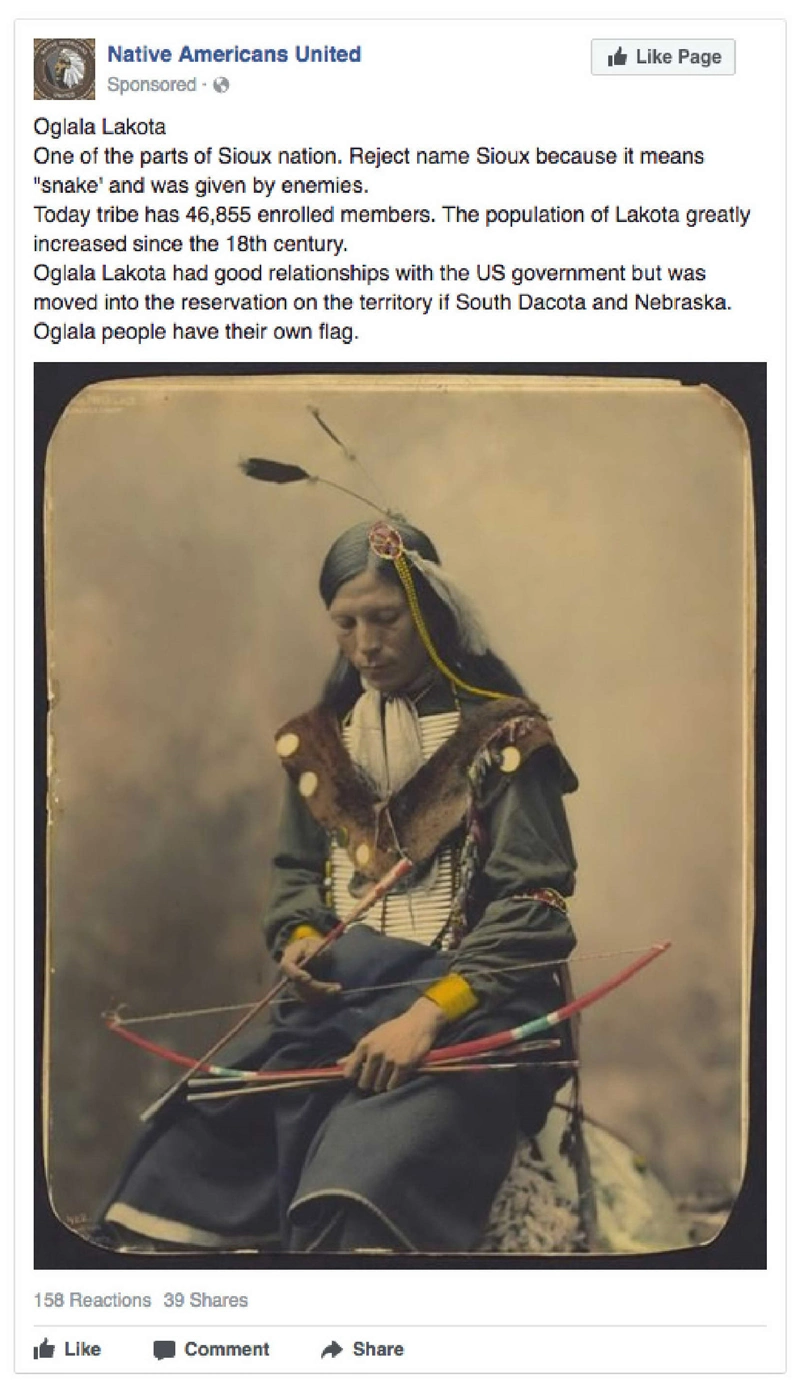
A 2019 bipartisan investigation by the U.S. Senate Intelligence Committee further documented how the IRA used social media to exploit political and social divisions in the United States. The operation created pages like Blacktivist, United Muslims of America, Army of Jesus, Secured Borders and Heart of Texas, presenting themselves as American activists and grassroots organizations. Some accumulated hundreds of thousands of followers, publishing content about race, immigration, religion, gun rights and other politically charged issues. The committee found that Black Americans were targeted more heavily than any other demographic group, with Russian-backed accounts posing as activists and organizations to build audiences and distribute political content. Russian trolls' chief target was 'black US voters' in 2016
The paid advertising operation was surprisingly inexpensive. The IRA spent approximately $100,000 on Facebook advertising over two years, with Facebook identifying roughly 3,000 ads connected to 470 inauthentic accounts and pages. Facebook estimated that approximately 10 million people in the United States saw at least one of these ads. Interestingly, 56% of the ad impressions occurred after the November 2016 election.
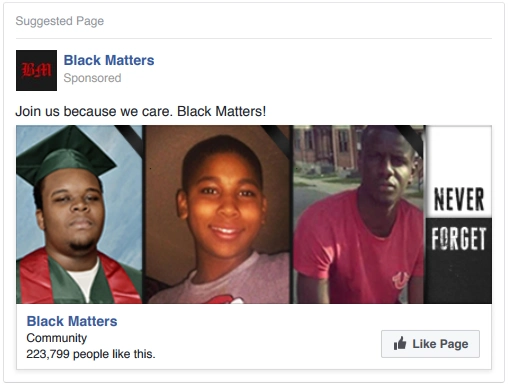
But the paid ads were only part of the story. Facebook later told Congress that 120 Russian-backed pages had published approximately 80,000 organic posts, potentially reaching 126 million people. Facebook also identified approximately 120,000 pieces of IRA-backed Instagram content, with subsequent research prepared for the Senate Intelligence Committee estimating that IRA content reached at least 20 million Instagram users. The committee's research also documented how Facebook's recommendation systems could suggest IRA-created content to users following similar pages, potentially helping the operation reach additional audiences.
And the operation wasn't confined to the internet. The 2018 federal indictment described how IRA operatives contacted unsuspecting Americans, recruited people to promote political activities and helped organize actual rallies. Meanwhile, the U.S. intelligence community concluded in January 2017 that Russian President Vladimir Putin had ordered a broader influence campaign targeting the 2016 election. The IRA's social media operation was only one component. Separately, Russian military intelligence officers were involved in hacking Democratic organizations and releasing stolen materials online. These were distinct operations, both investigated as part of the broader examination of Russian election interference.
Special Counsel Robert Mueller, a Republican and former FBI director appointed to the role by Trump's own Justice Department, ultimately documented extensive Russian interference in the 2016 election. His investigation resulted in criminal charges against Russian operatives and convictions of several Trump associates for other federal offenses. However, the investigation did not establish that members of Trump's campaign criminally conspired or coordinated with the Russian government in its election interference activities. Mueller also did not exonerate Trump on the separate question of obstruction of justice.
It's also important to understand what the numbers do and don't tell us. 126 million people potentially encountering Russian-backed Facebook content does not mean 126 million people believed it or changed their votes because of it. Investigators did not establish that the operation changed the election's outcome. But I'd argue that the effects of this kind of content don't necessarily end when an election does. The IRA continued operating after November 2016, and the bipartisan Senate Intelligence Committee documented increases in its activity across several platforms after Election Day. How much of that content contributed to longer-term political polarization is harder to quantify, but I don't think the question should be dismissed simply because we can't attach an exact number to it.
What Facebook could quantify was how successfully a foreign influence operation had used its platforms to impersonate Americans, build enormous audiences and distribute political content. And personally, I find it difficult to look at those numbers without questioning why a company with Facebook's resources didn't have stronger safeguards, account verification processes and internal review systems in place to identify coordinated manipulation earlier. I believe Facebook had, and continues to have, a moral responsibility to the people using its products. That responsibility shouldn't begin only after an investigation, congressional hearing or public scandal forces the company to respond.

Facebook, Myanmar, and the Rohingya Genocide
TL;DR: In 2017, Myanmar's military launched a campaign of violence against the Rohingya, a predominantly Muslim ethnic minority living primarily in the country's Rakhine State. The military's operations involved mass killings, sexual violence and the destruction of villages, forcing more than 700,000 Rohingya to flee to neighboring Bangladesh. United Nations investigators subsequently found evidence of genocidal intent and called for senior Myanmar military officials to be investigated and prosecuted for genocide, crimes against humanity and war crimes.
Facebook became a central part of the controversy because of its role in spreading anti-Rohingya hate speech, misinformation and military propaganda. In a country where Facebook had become a primary source of news and information, Myanmar's military and other actors used the platform to circulate dehumanizing content and inflame ethnic and religious tensions. A 2018 United Nations fact-finding mission identified Facebook as a significant vehicle for spreading hatred, while an independent human rights assessment commissioned by Facebook concluded that the company had not done enough to prevent its platform from being used to incite violence.
The Specifics:
To understand Facebook's role in Myanmar, we need to go back to a period when the country was undergoing enormous political and technological change. After decades of military rule and isolation, Myanmar began opening up in the early 2010s. Internet access expanded rapidly, smartphones became more affordable, and Facebook became one of the country's most influential sources of news, information and public conversation. Yet Facebook was expanding in a country with a long history of ethnic and religious conflict, and the company was not adequately prepared to moderate the content circulating on its platform.
The Rohingya, a predominantly Muslim ethnic minority concentrated in Myanmar's Rakhine State, had faced decades of discrimination, restrictions on movement and denial of citizenship. Anti-Rohingya sentiment existed long before Facebook arrived, but the platform offered a new way for hateful narratives, misinformation and propaganda to circulate at an enormous scale.
And this is where I want to bring in Sarah Wynn-Williams, Facebook's former director of global public policy and author of the 2025 memoir Careless People: A Cautionary Tale of Power, Greed, and Lost Idealism. Wynn-Williams recounts Facebook's dealings with Myanmar's military leadership and describes what she saw as the company's repeated failure to take the country's political and human rights risks seriously.
One of the more concerning accounts in her book involves Facebook's content moderation operation in Myanmar. According to Wynn-Williams, by May 2015, the company had just two Burmese-language content moderators, both contractors working from Dublin. She alleges that one moderator was allowing anti-Muslim hate speech to remain on the platform. These claims come from her memoir and should not be confused with independently established findings, but they offer a particularly troubling account of how moderation decisions were allegedly being handled inside the company.
Civil society organizations and human rights advocates had raised concerns about anti-Muslim and anti-Rohingya content years before the violence of 2017. Yet Facebook continued to struggle with Burmese-language moderation, local expertise and identifying dangerous content. Again, I'd argue that this is something a company with Facebook's resources should have devoted considerably more attention to, particularly when the potential consequences extended well beyond someone's News Feed.
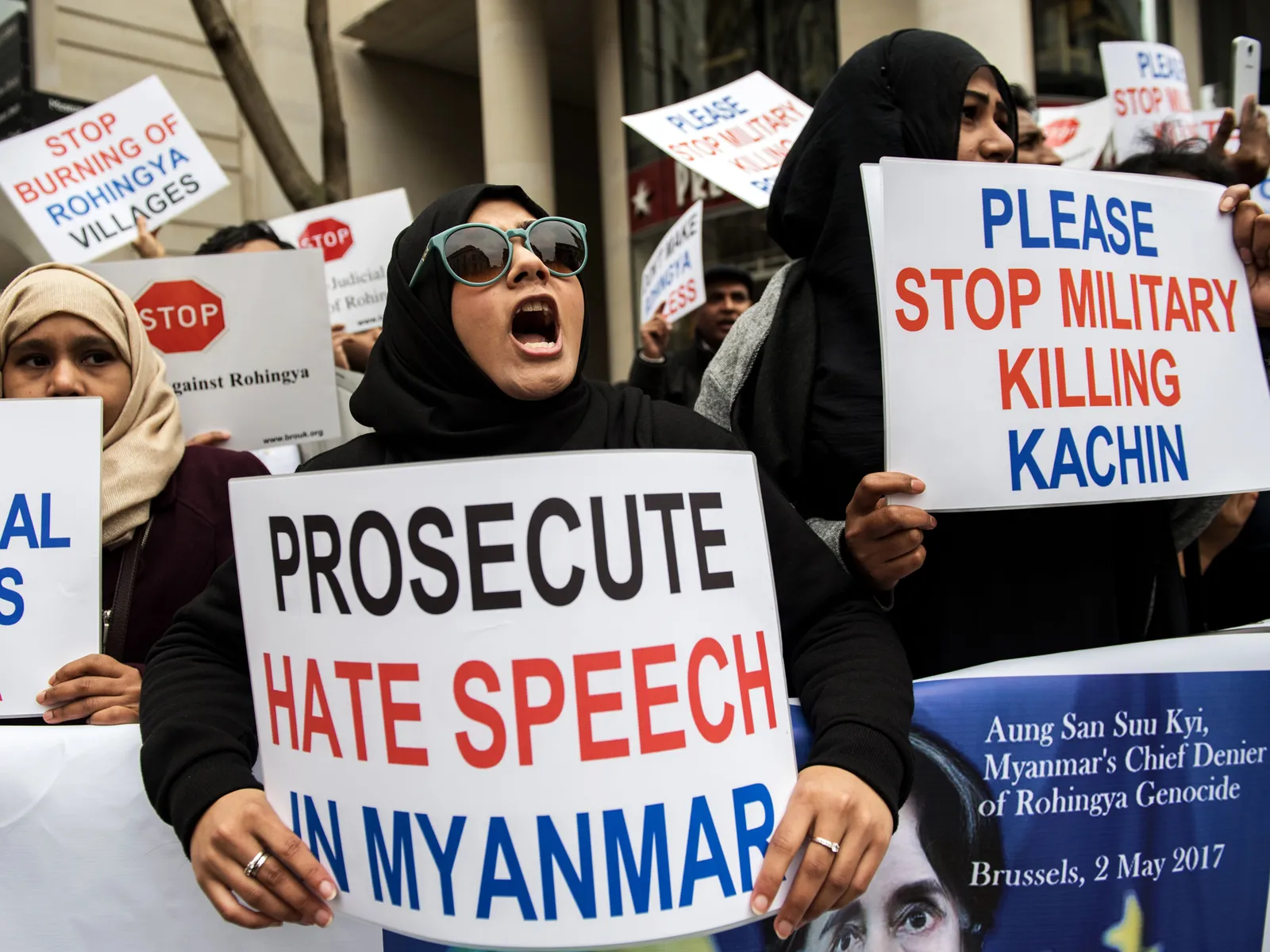
In August 2017, Myanmar's military launched operations in Rakhine State following attacks by Rohingya militants on security posts. The military's response involved widespread atrocities against Rohingya civilians, including killings, sexual violence and the destruction of villages. More than 700,000 Rohingya fled to Bangladesh.
In 2018, a United Nations fact-finding mission identified Facebook as a significant means of spreading hatred against the Rohingya. Investigations also uncovered how Myanmar's military had operated coordinated Facebook networks, using accounts and pages that concealed their military connections to distribute propaganda and inflammatory content.
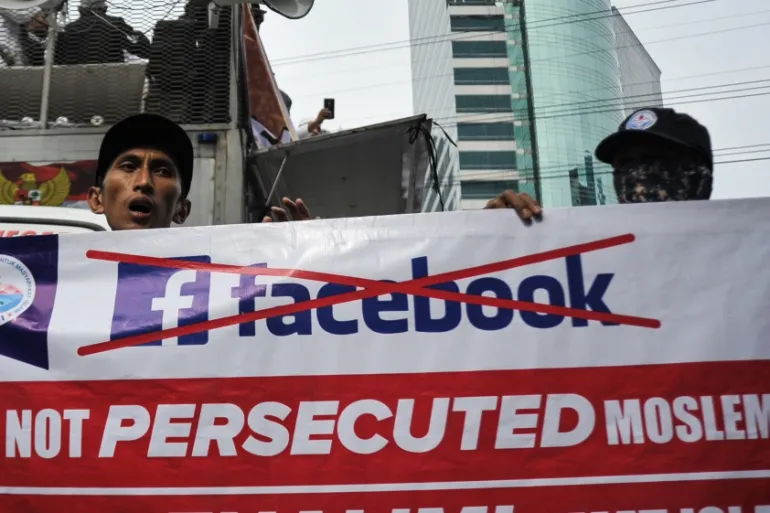
In November 2018, Facebook published an independent human rights assessment conducted by the nonprofit organization BSR. The assessment concluded that the company had not done enough to prevent its platform from being used to encourage division and incite offline violence. Facebook publicly agreed with that conclusion, acknowledging that its response had been inadequate and announcing additional investments in Burmese-language reviewers, enforcement systems and local partnerships. The company had successfully expanded its reach into Myanmar, but the systems intended to protect people using its products had not kept pace.
Personally, I think there's a difference between a technology company being unable to anticipate every possible misuse of its products and a company repeatedly receiving warnings about serious harm without responding adequately. Facebook did not create Myanmar's history of ethnic persecution, and responsibility for the atrocities rests with the perpetrators. But operating a platform at this scale comes with responsibilities that extend well beyond growth, engagement and advertising revenue.
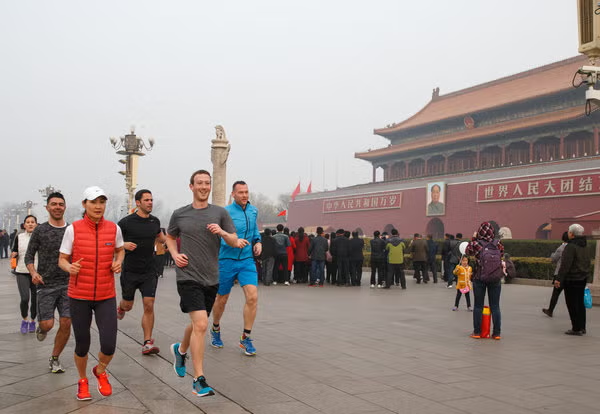
Facebook's Attempted Expansion into China and Censorship
TL;DR: Facebook had been blocked in mainland China since 2009, but that didn't stop Mark Zuckerberg and the company from pursuing access to one of the world's largest internet markets. Throughout the 2010s, Zuckerberg made visits to China, cultivated relationships with Chinese officials and even learned Mandarin as Facebook explored ways to operate within the country's strict internet regulations. In 2016, reporting revealed that Facebook had developed software that could suppress certain posts from appearing in users' News Feeds in specific geographic areas, potentially allowing a Chinese partner to censor content. Facebook never launched its main social network in mainland China.
The Specifics:
Facebook's ambitions in China went well beyond the occasional meeting with government officials. Zuckerberg publicly courted Chinese leaders, including President Xi Jinping, while the company explored what it would take to enter a market where its platform had been blocked for years. The potential audience was enormous, but operating in China would also mean navigating government requirements around censorship, political expression and control over online information.
In November 2016, The New York Times reported that Facebook had developed software designed to suppress posts from appearing in News Feeds within specific geographic areas. According to current and former employees who spoke to the publication, the proposed system could allow a third-party Chinese partner to decide which content users were permitted to see. The tool was reportedly developed with Zuckerberg's support, although there was no evidence at the time that Facebook had provided it to Chinese authorities or launched it publicly. Several employees reportedly objected to the project, with some leaving the company over concerns about its implications.
The story resurfaced in 2025 when former Facebook executive Sarah Wynn-Williams, author of Careless People, made additional allegations about the company's China strategy. In a whistleblower complaint and subsequent congressional testimony, she alleged that Facebook had developed plans for a censorship system that would give a designated local editor substantial control over content, including the ability to restrict political discussion or suspend the service during periods of unrest. Meta disputed her account, maintaining that the company explored various ideas for entering China but ultimately did not implement them. And while Facebook never secured the access it had sought, the episode raises an interesting question about the company's priorities: how far was it prepared to compromise on its stated principles to enter a lucrative new market?
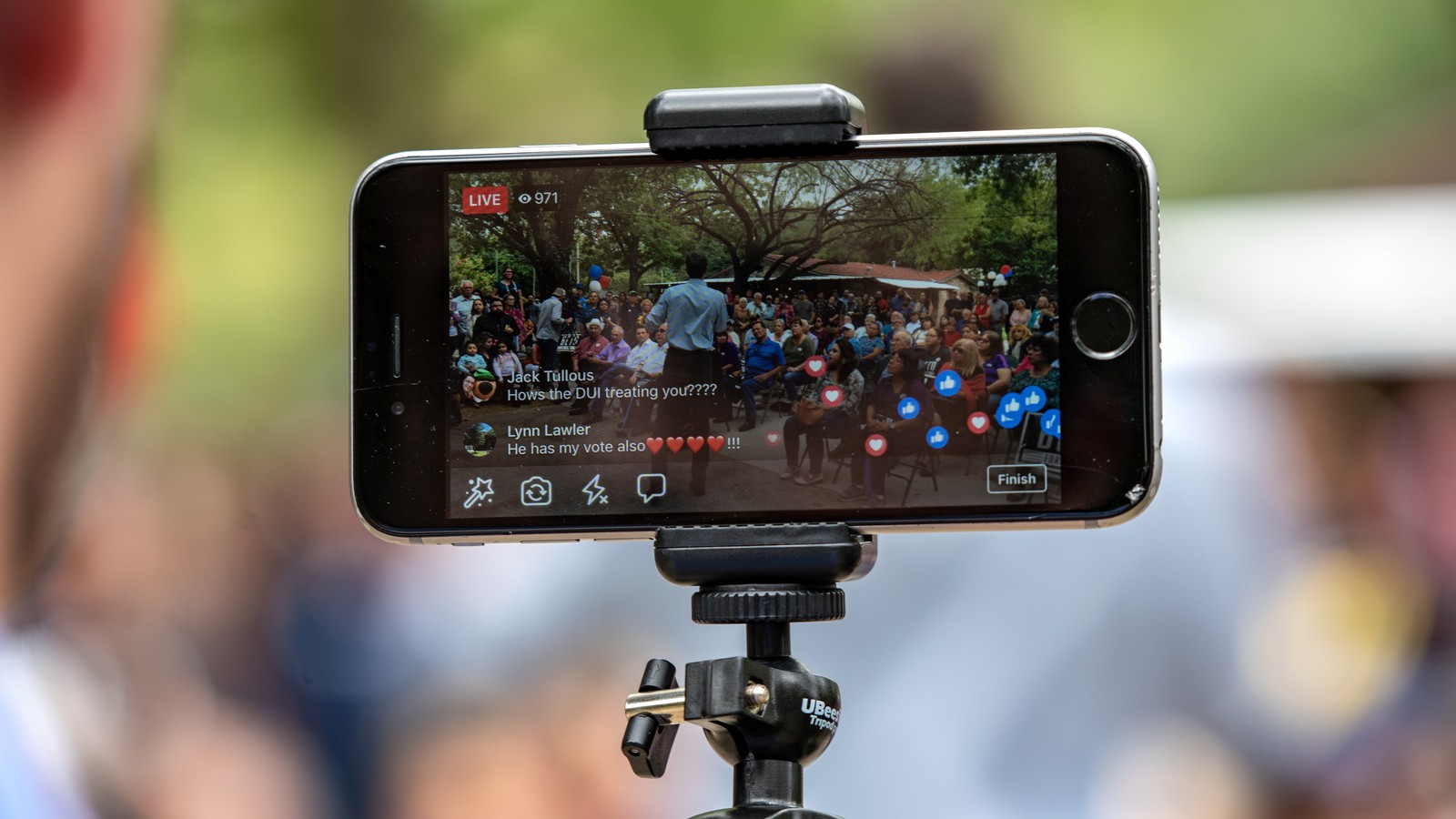
Facebook's Fight for Attention: Video, Algorithms, and Engagement
TL;DR: By the mid-2010s, Facebook was competing with platforms like YouTube and Snapchat for users' attention, and video was becoming an increasingly important part of that competition. Facebook soon began prioritizing video across its platform, encouraging publishers, brands and creators to invest heavily in video production. This quickly became known as the pivot to video, some of that coming from marketing buzzwords, some from actual reality I’d argue. Many publishers and brands, including news organizations restructured their content strategies, invested in video teams and, in some cases, reduced their emphasis on written reporting. Then, in 2016, Facebook admitted (to an ad agency no less) that it had inflated a key video-viewing metric by an estimated 60% to 80%, raising questions about the reliability of the data publishers and advertisers had been using to make business decisions.
In 2018, Facebook made another major change to its News Feed algorithm, prioritizing what it called meaningful social interactions, including posts that generated comments, conversations and shares. While Facebook framed the change as an effort to encourage more personal connections, it also raised questions about whether engagement-based ranking could reward sensationalized, divisive or inflammatory content. These decisions would become particularly relevant in the 2021 Facebook Files, which revealed internal concerns about how the company's algorithms influenced what people saw and how they interacted online.
The Specifics:
By the mid-2010s, Facebook was rapidly competing with other social networks for users and their attention. YouTube had already established itself as a major destination for online video, while Snapchat was attracting younger audiences with its mobile-first approach to sharing photos and videos. As smartphones became more widely accessible and mobile internet speeds improved, video was becoming an increasingly important part of how people consumed content online.
Facebook wanted a bigger piece of that attention, so the company began investing heavily in video, introducing autoplay features, encouraging publishers to upload videos directly to Facebook rather than linking to YouTube, and paying some media companies and creators to produce video content. Zuckerberg increasingly positioned video as central to Facebook's future. And because Facebook controlled how content was ranked and distributed through News Feed, the company's priorities influenced what publishers, brands and creators decided to produce.

This became known as the pivot to video. Across the media industry, publishers invested in video teams, reorganized their editorial strategies and, in some cases, reduced their emphasis on written reporting. Some companies made substantial staffing decisions around the expectation that video would become an increasingly important source of audiences and advertising revenue. Of course, Facebook wasn't solely responsible for the financial pressures facing digital publishers, but its enormous reach and control over distribution gave it considerable influence over the industry's direction.
In September 2016, Facebook acknowledged that it had overstated a key video-viewing metric by an estimated 60% to 80%. The metric measured average video-viewing time, but Facebook's calculation excluded views lasting fewer than three seconds, making the average appear considerably higher than it actually was. Facebook said the error had not affected advertiser billing, but advertisers questioned how reliable the company's performance data really was.
The controversy eventually led to litigation, and in 2019, Facebook agreed to a $40 million settlement over allegations involving inflated video metrics, without admitting wrongdoing. I'd argue that the larger issue wasn't simply an inaccurate measurement. Publishers and advertisers were making real financial decisions using data provided by a company that controlled both the distribution of their content and much of the reporting used to evaluate its performance.
And then, in January 2018, Facebook announced another major change to its News Feed algorithm. This time, the company said it would prioritize what it called meaningful social interactions, often, placing greater emphasis on posts that generated conversations, comments and shares. Zuckerberg framed the decision as an effort to strengthen personal connections and reduce passive content consumption. Facebook also warned publishers and businesses that they could experience declines in reach, video watch time and referral traffic.
On paper, encouraging people to interact with their friends and family sounds relatively harmless, exciting even. But there's a major difference between content that encourages meaningful conversation and content that simply generates a lot of reactions. Something controversial, sensationalized or inflammatory can produce enormous engagement without necessarily being accurate or useful. That doesn't mean Facebook's algorithm automatically promoted every divisive post, and the company had policies intended to discourage engagement bait. But it does raise questions about what happens when engagement becomes such an influential measure of a post's value.
I think this is one of the more interesting aspects of Facebook's influence, particularly as someone who works in social media. A platform can announce a change to its algorithm, and suddenly publishers, brands and creators are reconsidering entire content strategies. What gets rewarded shapes what gets produced, and what gets produced shapes what people encounter online. On a personal note, I often think of the way Facebook has completely changed countless industries, from the ad industry to journalism, and along the way potentially costing thousands of people their job. Or how much it’s changed the expectations to produce, produce, produce.

Facebook's FTC Fine and Antitrust Battles
TL;DR: In July 2019, Facebook agreed to pay a record-breaking $5 billion penalty to settle Federal Trade Commission (FTC) charges that it had violated a 2012 privacy agreement. The investigation came in the aftermath of the Cambridge Analytica scandal but extended to broader allegations that Facebook misled users about how their personal information was shared. The settlement also imposed new privacy oversight requirements.
In December 2020, the FTC filed a separate antitrust lawsuit alleging that Facebook had illegally maintained its dominance in personal social networking, particularly through its acquisitions of Instagram in 2012 and WhatsApp in 2014. Regulators argued that Facebook had acquired potential competitors to protect its market position, while Facebook disputed the allegations and maintained that it faced substantial competition.
The Specifics:
The 2019 FTC settlement was far from Facebook's first encounter with federal privacy regulators….this one just happens to be particularly relevant to our timeline. In 2011, the company had agreed to an FTC order requiring greater transparency around how it collected and shared personal information. But according to regulators, Facebook continued violating that agreement, misleading users about their privacy controls, allowing third-party developers access to personal information and using phone numbers collected for security purposes in advertising.

The resulting $5 billion penalty was the largest privacy fine ever imposed at the time. The settlement also required Facebook to establish an independent privacy committee, strengthen compliance oversight and undergo additional assessments. Now $5 billion is an extraordinary amount of money for a company the size of Facebook, as they reported over $55 billion in revenue in 2018.
In December 2020, the FTC filed a separate antitrust lawsuit alleging that Facebook had unlawfully maintained a monopoly in personal social networking. The case focused on its acquisitions of Instagram in 2012 and WhatsApp in 2014, along with restrictions on competing developers. Regulators argued that Facebook had acquired potential competitors to protect its market position, while Facebook disputed the allegations and pointed to competition from YouTube, Snapchat and TikTok. So much for capitalism breeding innovation.
Both the 2019 settlement and the original 2020 lawsuit occurred under FTC Chairman Joseph Simons, during the Trump administration. The antitrust case continued under Lina Khan, who became FTC chair in June 2021 under President Biden. In November 2025, a federal judge ruled in Meta's favor, finding that the FTC hadn't established a monopoly in the relevant market at the time of trial. The FTC appealed in January 2026. Compelling timing.
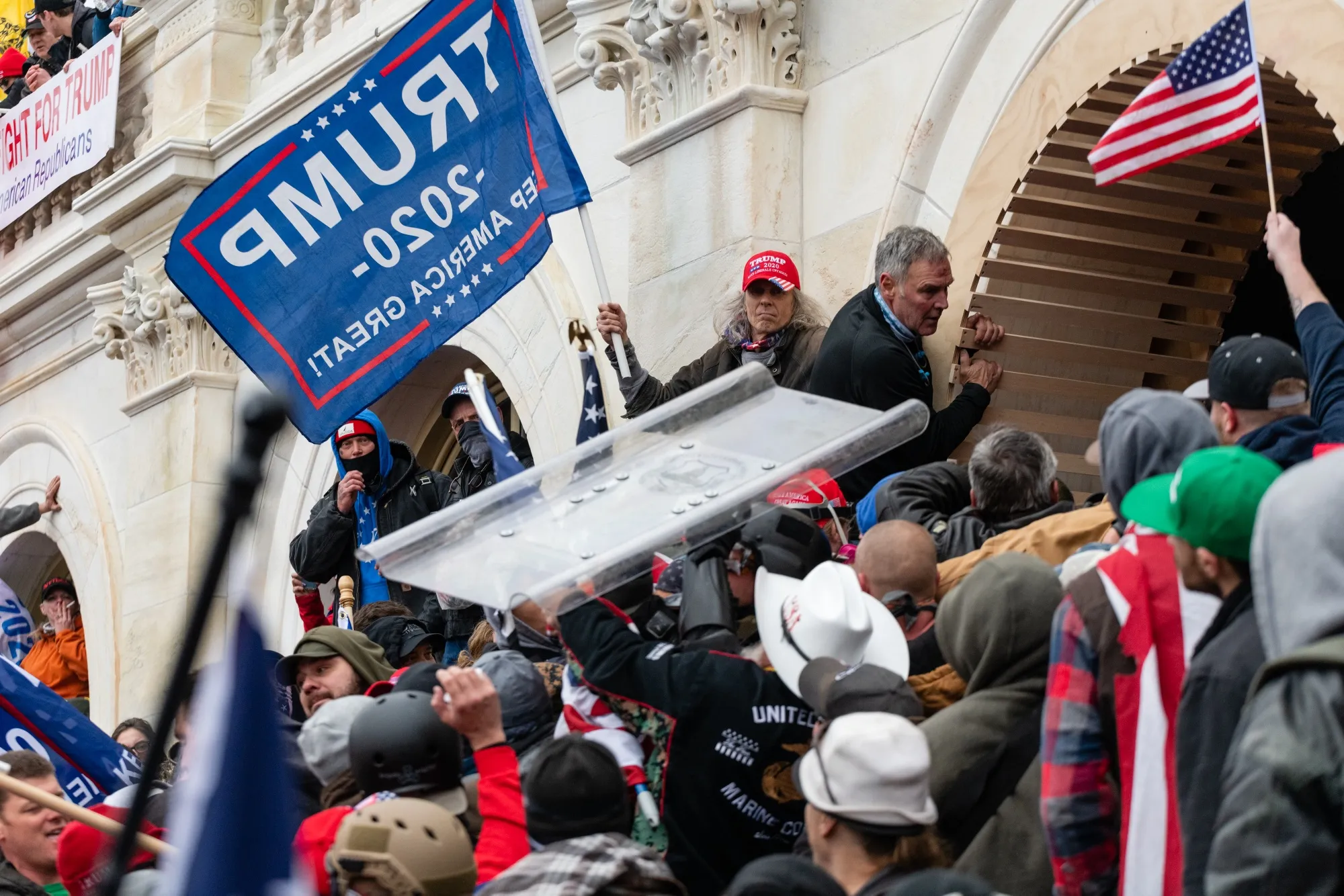
Facebook, the 2020 Election, and the January 6 Capitol Attack
TL;DR: Following the controversies surrounding the 2016 presidential election, Facebook introduced additional safeguards ahead of the 2020 U.S. election, including restrictions on political advertising, labels on disputed election claims, measures against voter suppression and a dedicated Civic Integrity team focused on risks to elections and public discourse.
But the controversy didn't end when the votes were counted. As false claims that the election had been stolen spread online, Facebook began rolling back some temporary election-related protections. On December 2, 2020, the company dissolved its standalone Civic Integrity team and redistributed its responsibilities across other departments. In the weeks leading up to the January 6, 2021 attack on the U.S. Capitol, election misinformation, extremist rhetoric and calls for violence continued circulating on Facebook. Former employees and whistleblower Frances Haugen later questioned whether the company had weakened its safeguards too soon, while Facebook maintained that many protections remained active through the presidential inauguration.
The Specifics:
By the time the 2020 presidential election arrived, Facebook had spent four years dealing with the fallout from Russian election interference, Cambridge Analytica and growing criticism of its approach to political misinformation. The company had introduced new policies around political advertising, expanded its fact-checking efforts and developed systems intended to identify voter suppression, coordinated manipulation and potentially dangerous content.
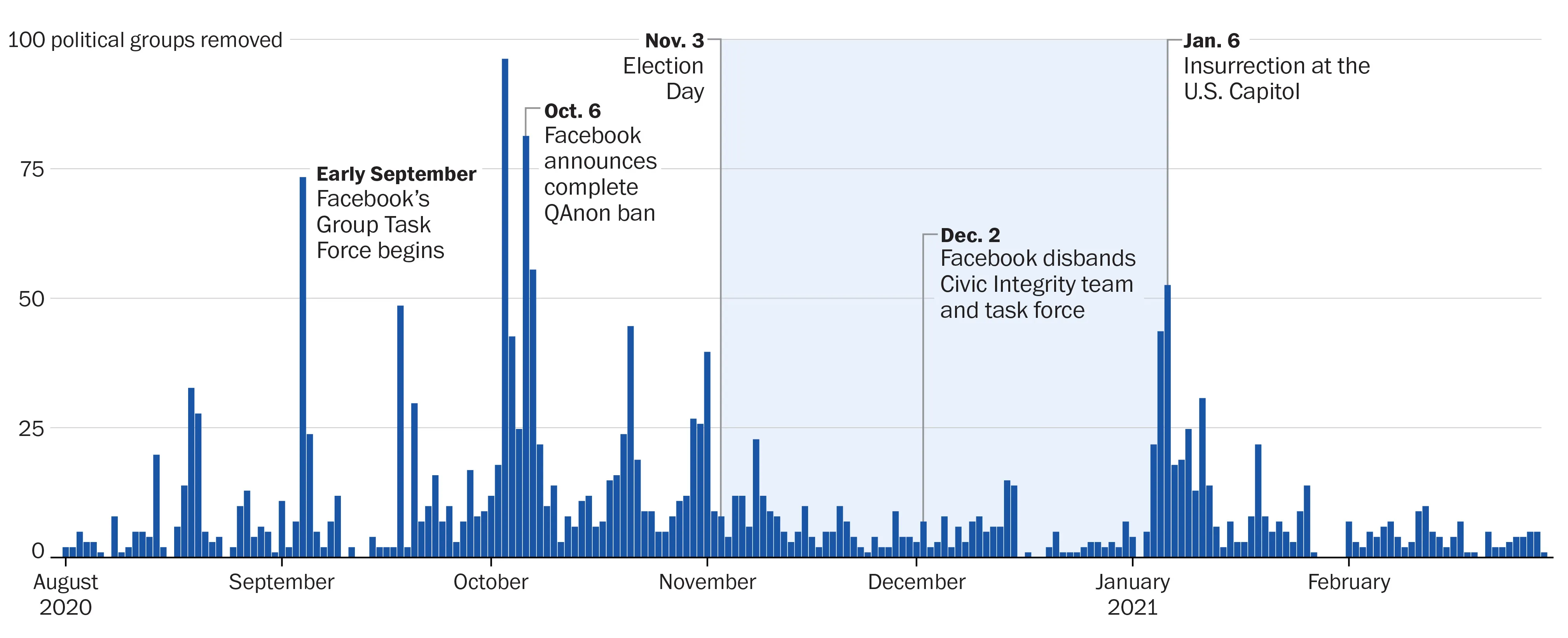
Facebook also had a dedicated Civic Integrity team, responsible for addressing risks to elections and political discourse. Ahead of November 2020, the company implemented additional temporary safeguards, including restrictions on political advertising and measures intended to limit the spread of misinformation in Facebook groups. According to Facebook, it removed more than 265,000 pieces of content from Facebook and Instagram in the United States for violating voter interference policies between March 2020 and Election Day.
In October 2020, Instagram temporarily removed its Recent hashtag results for U.S. users, limiting the ability to discover newly published content through hashtags. On November 5, Facebook also blocked searches for specific election-related hashtags, including #StopTheSteal and #SharpieGate. But the election came and went, and the misinformation didn't exactly disappear with it. False claims of widespread voter fraud continued circulating despite Joe Biden's victory. Facebook groups associated with the Stop the Steal movement grew rapidly, with users sharing allegations that the election had been stolen and, in some instances, rhetoric advocating violence.
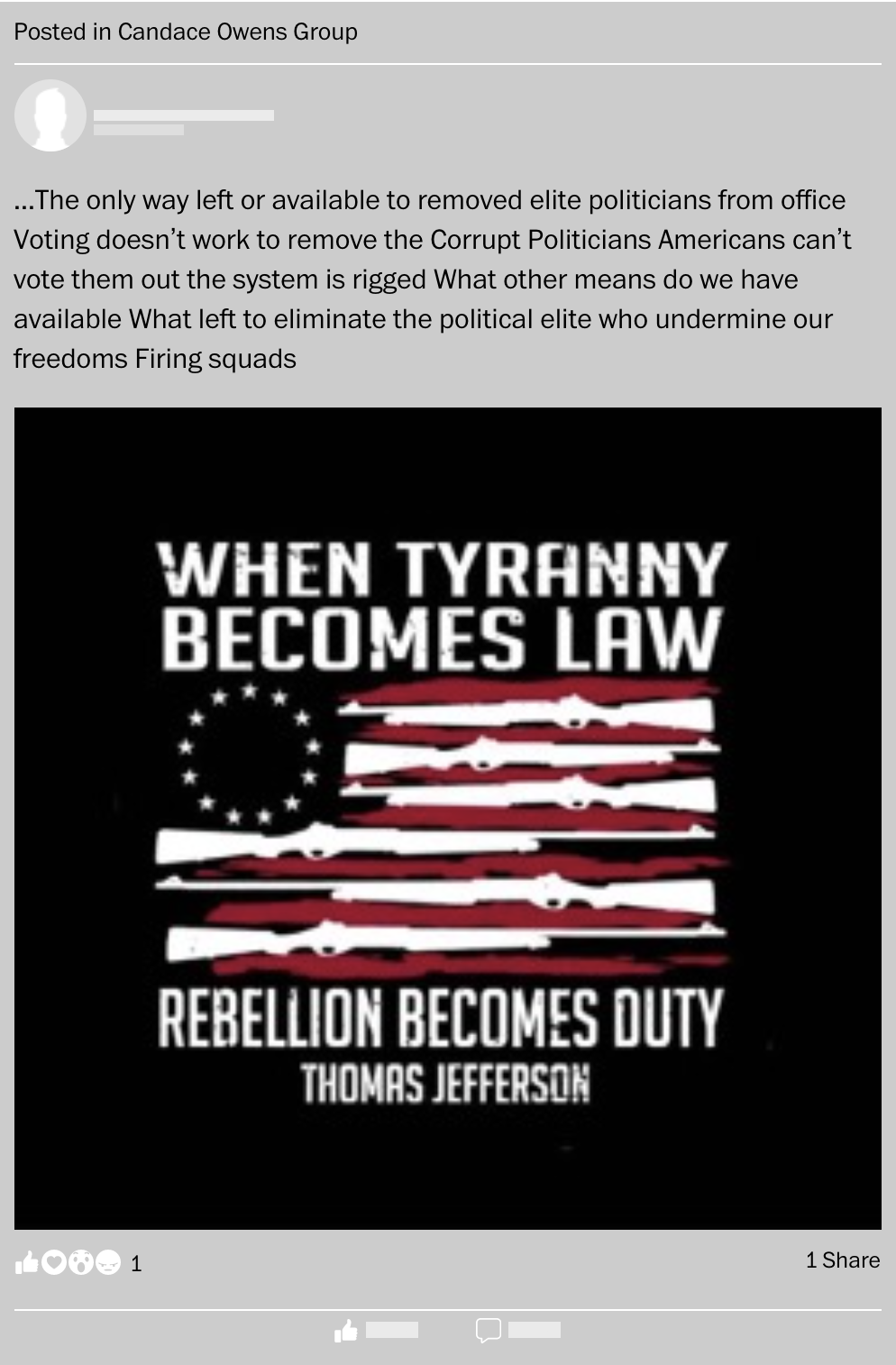
On December 2, 2020, Facebook dissolved its standalone Civic Integrity team, redistributing employees into a larger organization. The company argued that this would integrate election-related safety work into its broader operations. Allegedly some employees questioned whether this was the right time to restructure a team specifically responsible for addressing political misinformation and threats to elections.
A subsequent investigation by The Washington Post and ProPublica documented how Facebook had rolled back certain temporary safeguards while misinformation and extremist rhetoric continued circulating. Their reporting also examined the platform's struggles to enforce its policies against groups spreading false election claims and, in some cases, encouraging violence.
On January 6, 2021, supporters of Donald Trump attacked the U.S. Capitol as Congress met to certify the Electoral College results. Facebook was one of several platforms used to spread election misinformation and organize political activity in the weeks leading up to the attack. Following the violence, Facebook suspended Trump's account, extending the restriction indefinitely on January 7, and introduced additional measures targeting Stop the Steal content.
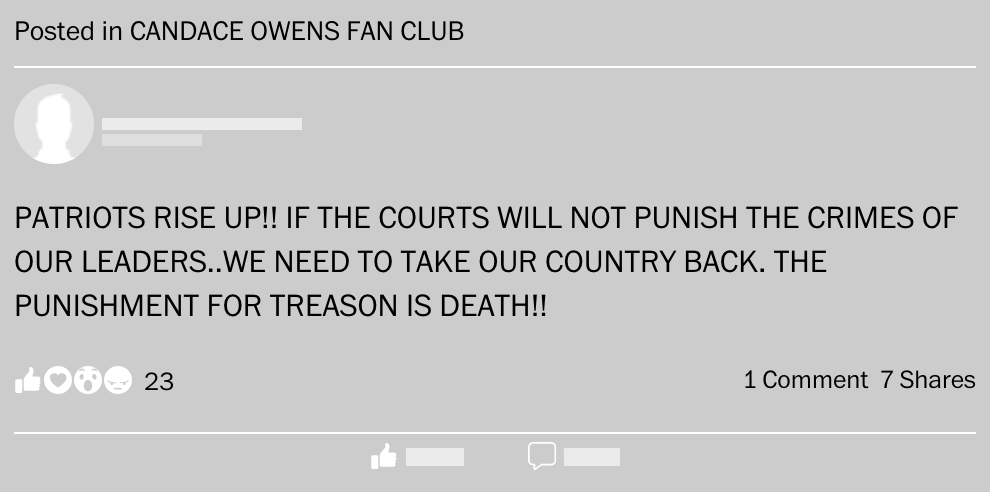
While Facebook didn't create the political movement behind January 6, nor was it solely responsible for what happened, I think there's a legitimate conversation to be had about what responsibility a platform has when its products are being used to spread misinformation, organize groups and amplify increasingly dangerous rhetoric. And perhaps what I find most concerning is the timing. Facebook had developed additional safeguards because it recognized the risks surrounding the election. So why begin scaling some of them back when the very issues they were intended to address were still unfolding?
The Facebook Files, Meta's Rebrand, and What Comes Next
In October 2021, former Facebook employee Frances Haugen testified before Congress after providing thousands of internal company documents that became known as the Facebook Files. The documents offered a look into Facebook's internal research and discussions surrounding misinformation, political polarization, user safety and Instagram's impact on young people. Haugen argued that the company repeatedly prioritized growth and engagement over safety, while Facebook disputed her characterization of its research and decisions.
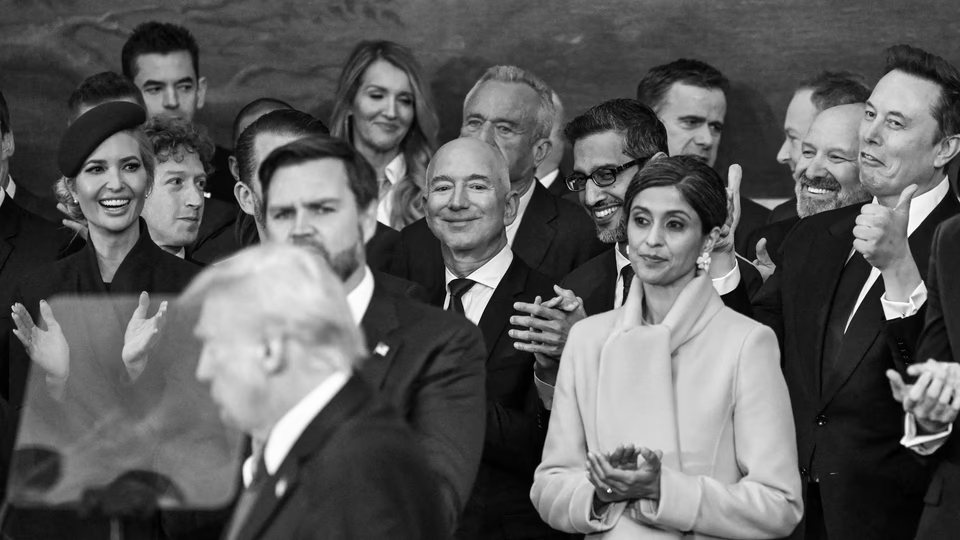
That same month, Facebook announced it was rebranding its parent company as Meta, reflecting Mark Zuckerberg's ambitions to build the metaverse, a future of interconnected virtual spaces powered by augmented and virtual reality. While the company maintained that the rebrand reflected a long-term vision rather than an attempt to distance itself from controversy, the timing was certainly interesting. After years of scrutiny surrounding its existing platforms, Facebook was looking toward building the next generation of the internet.
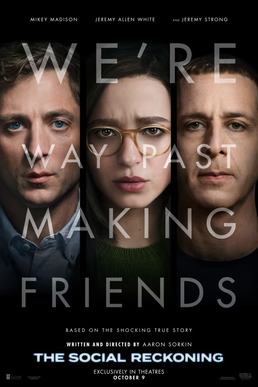
At the time of writing this, October 15, 2026, I have not yet seen The Social Reckoning, so I can't speak to its accuracy or how faithfully it portrays these events. But my hope is that the film gives us an opportunity to revisit this period of Meta's history and think critically about the impact social media has had on nearly every part of our lives. From politics and how we communicate with friends to how we see ourselves, these platforms have fundamentally changed how we experience the world.
I also hope it encourages people to think more critically about the information they encounter online. We've seen documented examples of foreign political interference, coordinated disinformation campaigns and attempts to manufacture outrage through social media. Russian interference surrounding the 2016 election is perhaps one of the clearest examples, and it's worth remembering that these tactics were not hypothetical. They happened.
More recently, in October 2026, reports of Ukrainian strikes on Russian data centers prompted renewed conversations about Russian bot farms and whether the attacks had disrupted coordinated online activity. Ukrainian President Volodymyr Zelenskyy suggested that the strikes had reduced bot activity, although subsequent reporting from BBC Verify and Deutsche Welle found insufficient evidence to support claims of a significant reduction.
Throughout the last few years, I've wondered, if we've documented these tactics being used before, who's to say they aren't still being used? That doesn't mean every inflammatory post is the work of a foreign government, but I think we should be asking more questions about where information originates, how it spreads and who benefits from it.
And while I certainly don't agree with much of the extremist rhetoric coming from the political right, I'd also argue that parts of the left are contending with their own issues surrounding purity politics and misinformation. But how much of the division we see online is rooted in genuine ideological differences, and how much is being intensified by misinformation? Whether that information comes from foreign political actors, domestic agitators or people unknowingly spreading false claims, the consequences can extend well beyond our screens.
Deliberately misleading people and encouraging division can have serious consequences for society. And perhaps that's what I hope people take away from The Social Reckoning. Not simply an understanding of what Facebook did, but a greater willingness to question the information we consume, the platforms distributing it and the people who stand to benefit from keeping us divided.
As always, please do your own research and take what resonates and leave what doesn't.
Like what I have to say? Support me and subscribe to my newsletter.