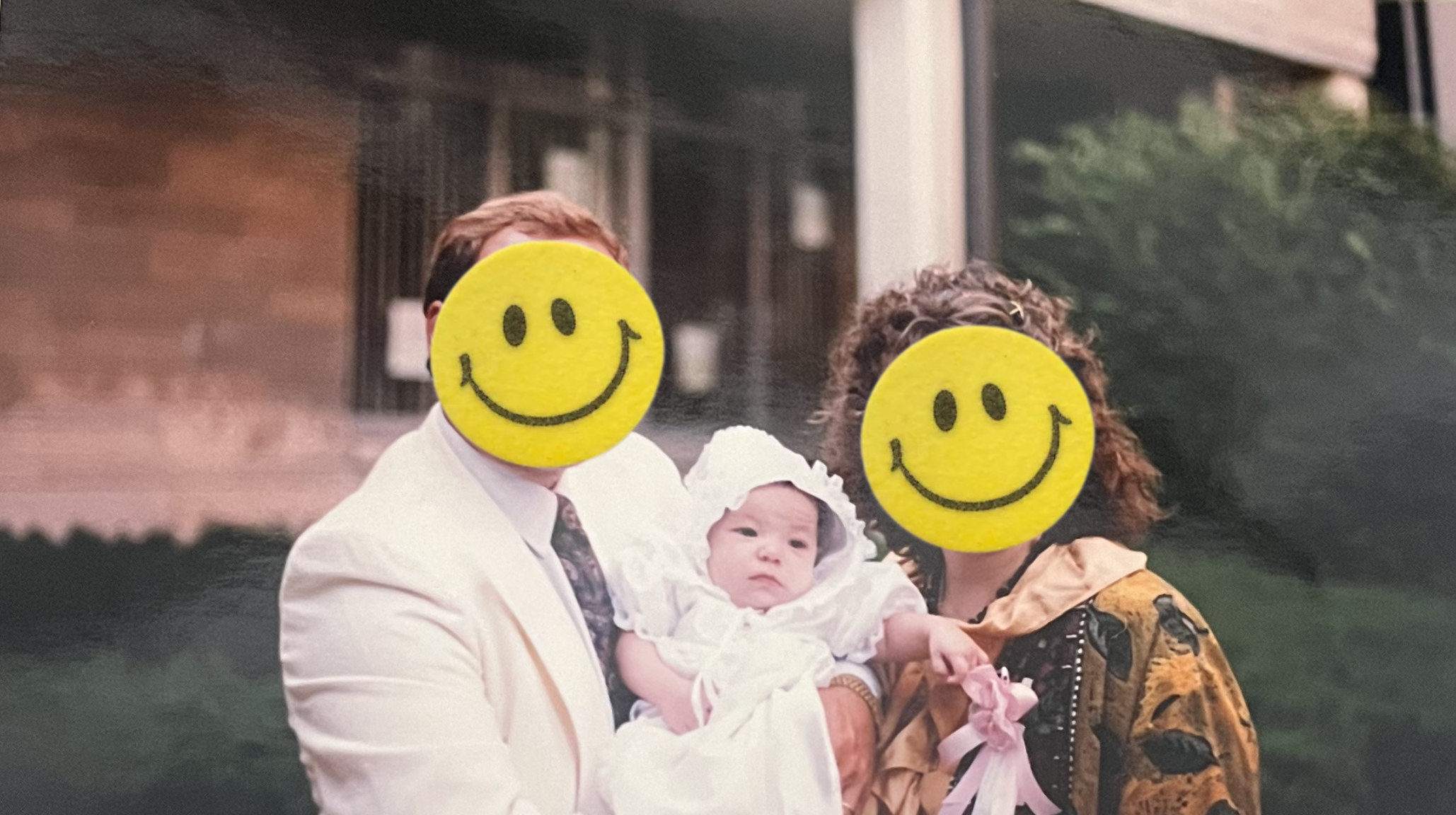
I imagine a number of people have begun exploring dual citizenship given the current political climate of this country. About two years ago I started the process of obtaining Greek citizenship. Greece has more lenient citizenship guidelines for direct descendants, and being that my father immigrated from Greece as a child, I felt this was my best option. What I thought would be a series of mundane paperwork, meetings with attorneys and translators, turned into much more. A complete unraveling of my own perception of my parents, forcing me to reckon with their life experiences, to acknowledge the impact of my anger as a result of their individual transgressions in my childhood, and a reckoning with my own identity. In that, developing a sense of empathy and deep grief for both of their experiences as people.
For most of my life I've had a very tumultuous relationship with each of my parents. My mother and I could fight like it was an olympic sport, and my father — I haven't talked to him, besides two five minute phone calls, since I was 13. I'm now a married woman considering freezing my eggs, so…. it's been a while.
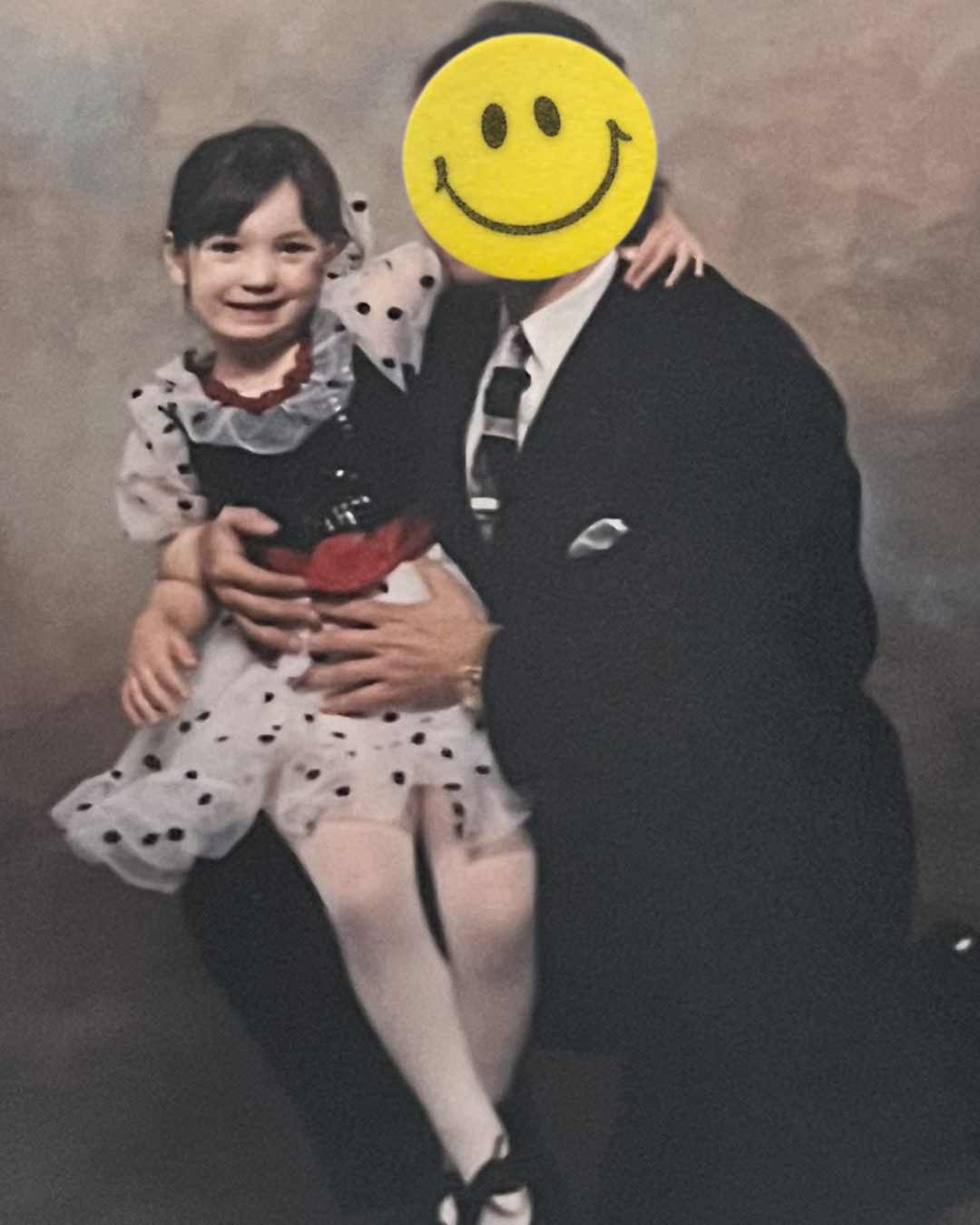
My father immigrated to this country when he was a child, adopted by a Greek family who were also immigrants. His adoption came during a time of great turmoil in Greece. After the Greek civil war the country was left in destruction, extreme poverty, hundreds of thousands of people displaced. What I know of my father's childhood is painful, his stories of violence and poverty have never really left me. He was brought to a small town approximately 200 miles outside of Chicago speaking no English, and from his own stories experienced real levels of prejudice throughout his childhood and teenage years. His adopted father died while he was still a very young adult, and throughout his adulthood he went through a series of different troubles that aren't particularly my story to share.
After my parents separated, I don't think my mother's family were particularly kind to him. To this day some people on that side still speak negatively of him for his quirks, which honestly pisses me off. And then after my grandmother, his adopted mother, passed, her brothers attempted to cut him out of the will entirely, insisting he wasn't blood and had no merit to her estate or any of her belongings, however sentimental they may have been. For a third time in his life my father was pushed away from what was supposed to be his family.
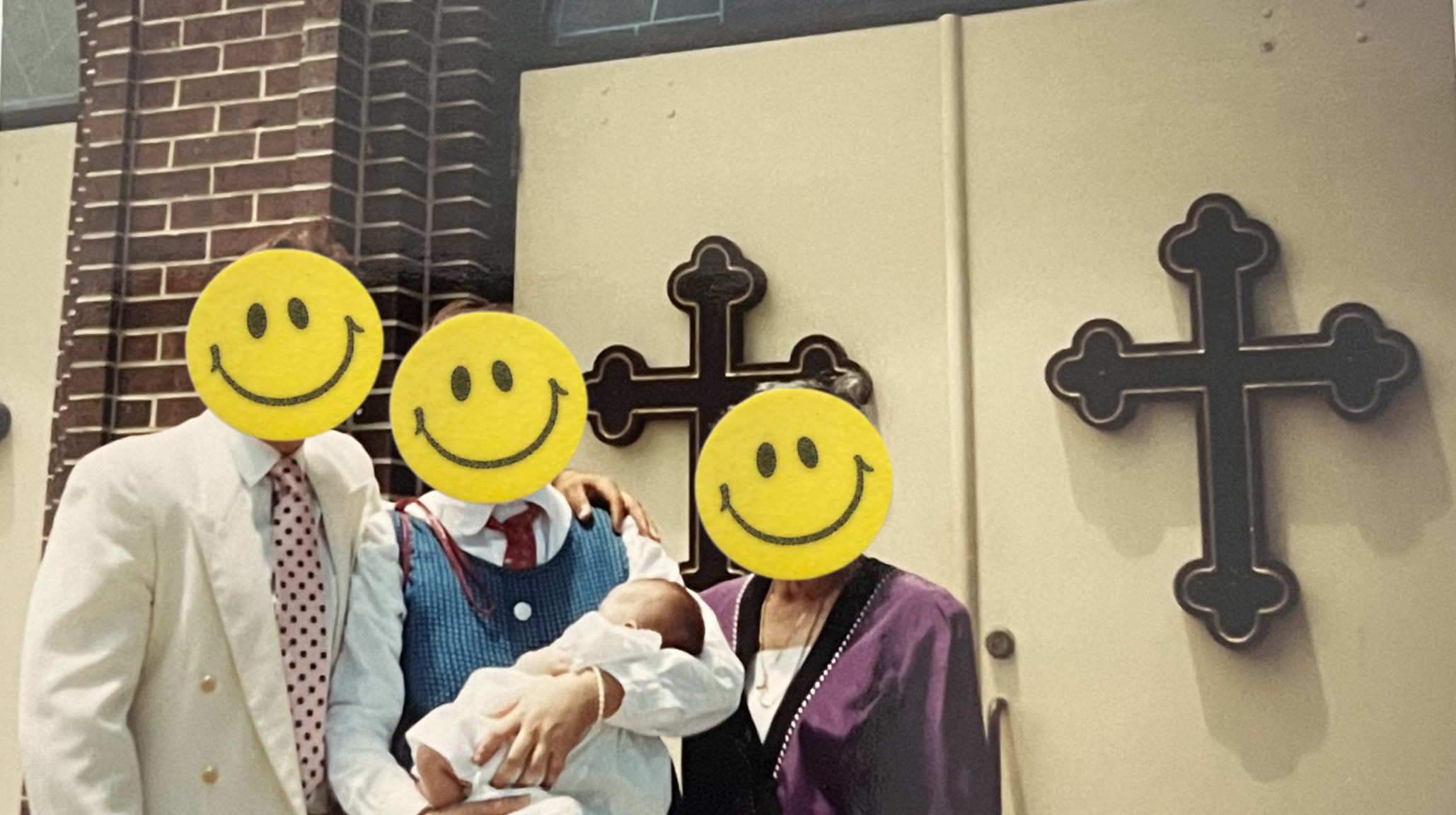
My father immigrated to this country when he was a child, a Greek immigrant adopted by a Greek family who were also immigrants. His adoption came during a time of great turmoil in Greece. After the Greek civil war the country was left in destruction, extreme poverty, hundreds of thousands of people displaced. What I know of my father's childhood is painful, his stories of violence and poverty have never really left me. He was brought to a small town approximately 200 miles outside of Chicago speaking no English, and from his own stories experienced real levels of prejudice throughout his childhood and teenage years. His adopted father died while he was still a very young adult, and throughout his adulthood he went through a series of different troubles that aren't particularly my story to share.
After my parents separated, I don't think my mother's family were particularly kind to him. To this day some people on that side still speak negatively of him for his quirks, which honestly pisses me off. After my grandmother, his adopted mother, passed, her brothers attempted to cut him out of the will entirely, insisting he wasn't blood and had no merit to her estate or any of her belongings, however sentimental. For a third time in his life my father was pushed away from what was supposed to be his family.
.png)
To understand my father I had to really look at his past. He had a tendency to make up stories, exaggerate parts of his experiences, and I think that was survival for him. As a child he would tell people he was from Greek royalty, that his parents just forgot him but they'd be back soon. A story I remember him telling me too, and believing, when I was little. He told those stories because his reality was far darker, and I imagine would be very difficult to process as a child. Details I found through doing family genealogy with the assistance of my mother in law, a self taught genealogist and writer. Now I'm the one filing the paperwork, doing the thing he could only mythologize. I think back to these stories, still very unsure of where our family is, but having a level of understanding as to why my father fabricates.
My mother and her side of the family seem to approach truth differently. Instead of slight fabrications, it's a blatant sweep under the rug. My mother, and by extension me, come from a line of addicts. Choose your poison, someone in my family loves to indulge in it. My mother spent most of my childhood in active addiction, she got sober when I was around 18. Because of this my mother was pretty checked out during some of my most formative years, and I spent a lot of that time doing things a lot of teenagers shouldn't have been doing. My childhood was spent being rather lonely, perpetually searching for some type of attention (old habits die hard I suppose), or someone to play with as an only child.
When my mom got sober a lot of our tumultuous relationship and fighting still took place. It really wasn't until I was 31 that things started to change. Throughout that time I had heard secondhand stories of my mother's childhood, some she'd told me directly, others through other family members. Oddly no matter how tragic they seemed they were always laughed off, written off as a funny little blurb. A habit I've seemed to inherit, for better or worse.
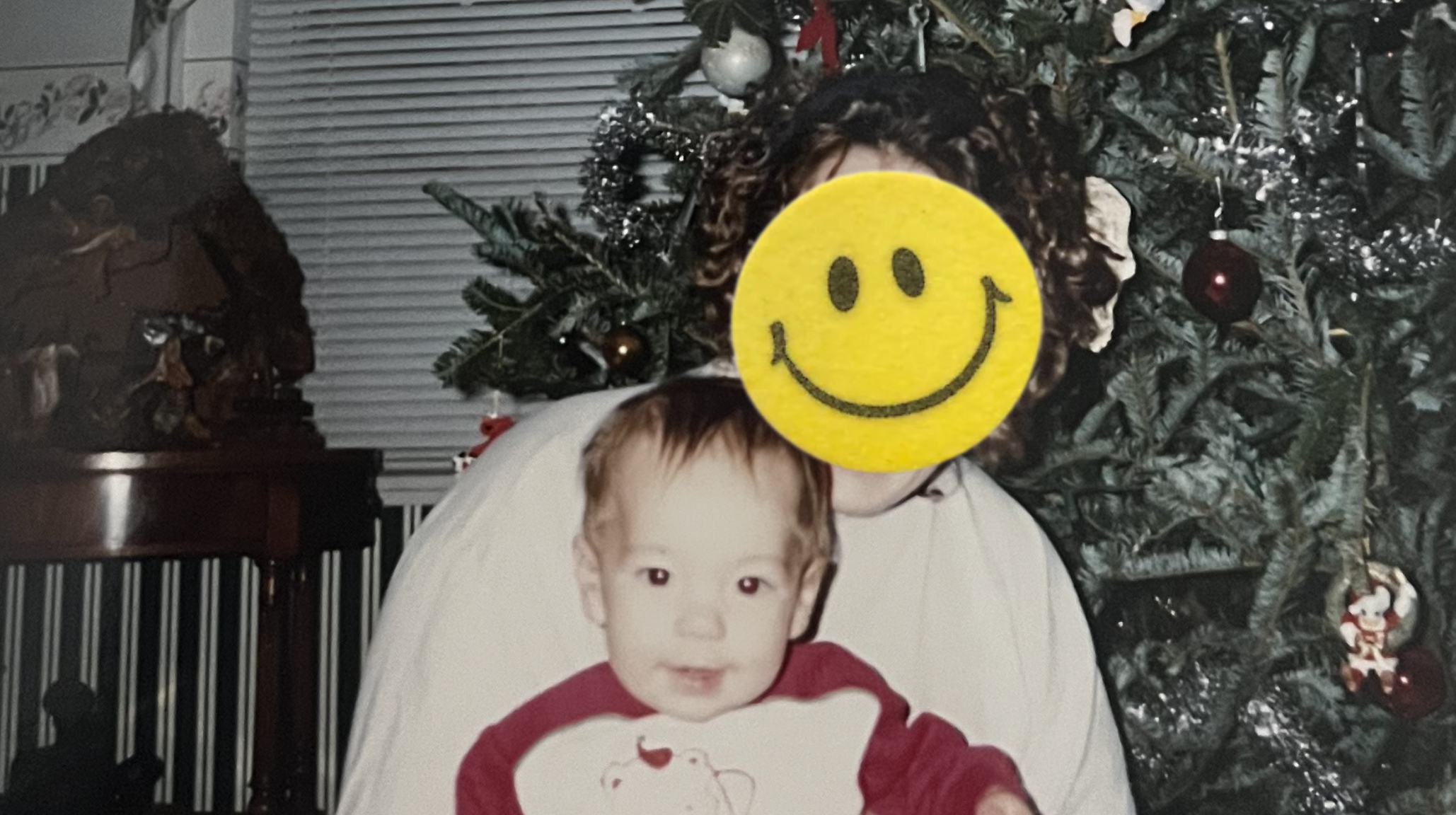
My mother is the eldest daughter, and with that came a very particular kind of pressure. The pressure to hold things together, to not make it worse, to keep moving. She was directly exposed to her father's and grandfather's addiction from a very young age, and I think somewhere in navigating all of that she learned that the safest thing to do with hard feelings was to bury them. To laugh them off. To keep it moving. Which can make talking about feelings very hard, and which, if I'm being honest, I recognize in myself too.
I think for a really long time I was angry at both of my parents. Mad that they didn't set me up for academic, emotional, or financial success. Mad that they were checked out. Mad for their many transgressions and the hurt they caused me. Mad for the way that pain lived inside me and spilled into all of my other relationships, from the way I communicate, to the way I form emotional and intimate bonds. Mad that I didn't have a sense of normalcy or stability, that it was one chaos after another, one issue after another. Life with the light permanently on.
But starting the citizenship process made me really think about each of their life circumstances. The things they were born into and were trying desperately to navigate. Each of them, I would argue, have done significantly better than their parents in different ways. I know in my heart neither of them set out to make mistakes or cause pain. It just sort of happened. The concept of mental health was different throughout their childhoods and adulthoods, and the idea of therapy and medication was taboo in both of my families. I think consequently they tried.
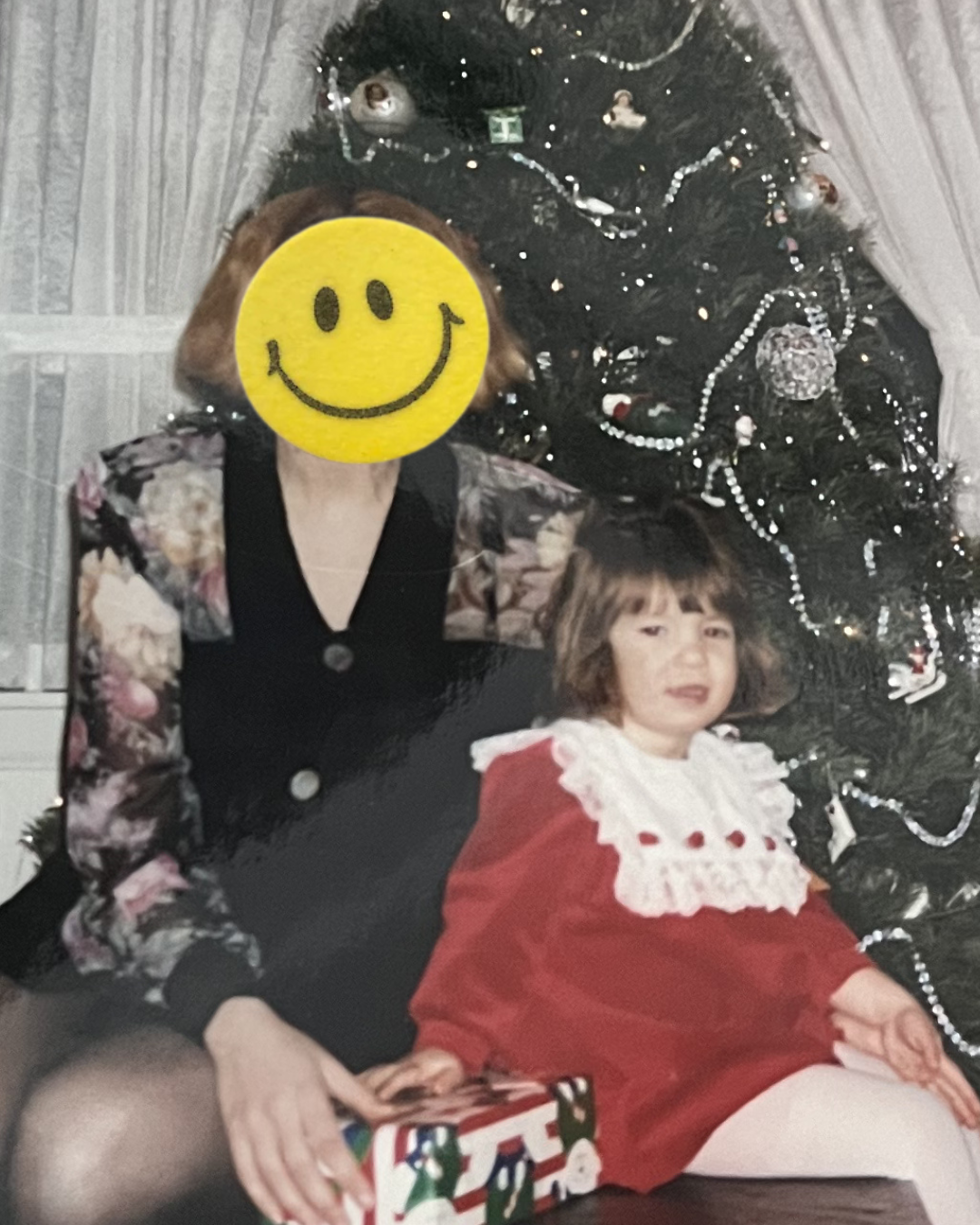
And once I really sat with that, once I let myself see them as people who were handed impossible circumstances and did the best they could with what they had, the anger started to lose its grip. Not because what happened didn't matter, it did, it does. But because I realized the anger wasn't serving me anymore.
It was keeping me from looking inward, from examining my own patterns, understanding why I sometimes do what I do, why I have this insatiable need for validation from authority figures. If I could understand their past I could see my own, and begin the work of building something different. Some of which has been successful, some of which hasn't.
Candidly, I'm also at an age where I'm beginning to have to think about children, which I go back and forth on wanting. I don't want to bring some of those patterns and dynamics into the lives of my children. I spent a lot of my childhood emotionally supporting my mother, taking care of her, handling things no kid should have to handle. I was parentified in a lot of ways, and sometimes when I'm overwhelmed emotionally I can feel that little kid in me who just doesn't know what to do with it all. I don't want my children to ever feel like I'm checking out because I get overwhelmed. That's not fair to anyone.
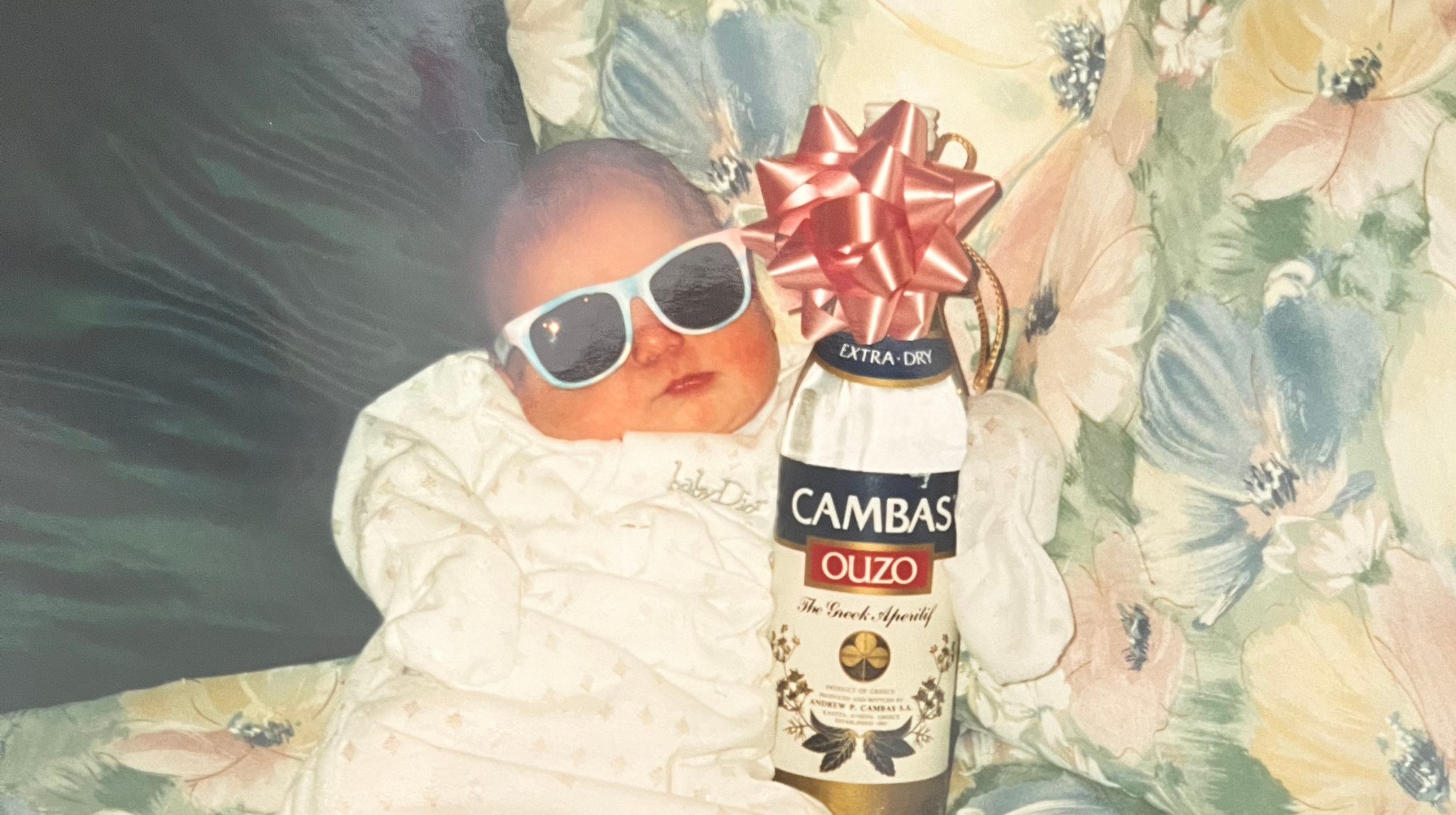
Also, the economy sucks, and I still have a life to live. I don't want to make financial sacrifices, like a face full of botox or my late night Real Real shopping sprees, right now.
And so now here I am doing paperwork, trying to create some type of parachute or emergency exit for a country that is drastically different than the one my father came to, but in some ways very much the same.
I see myself in the experiences of my family, both good and bad. I don't feel like I could have figured out who I am without understanding who they are and where they've been. I still don't fully know, and I probably never fully will. But I feel much closer, and much more committed to trying. To understanding my mother, my father, the luck of the draw, to see them fully, empathetically. Because that empathy allows me to commit to change, to give myself the gift of growth.
I think looking inward is a pretty good place to start.
Like what I have to say? Support me and subscribe to my newsletter.