.png)
In 2013, Grace Banu filed a Right to Information request with Anna University asking a simple question: did the institution accept transgender students? When the answer came back no, she applied anyway.
That persistence captures something consistent about Grace Banu. She has spent her life pushing into spaces that weren't designed to include her, and working to make them more accessible for others.
Grace was born and raised in Thoothukudi district, in the southern Indian state of Tamil Nadu. As a Dalit child — Dalits are members of communities historically placed outside India's caste hierarchy and subjected to severe discrimination — who began experiencing gender dysphoria in middle school, she faced compounding forms of exclusion. Classmates were told they would be punished for interacting with her. The school refused to let her attend during regular hours. Both her caste and her gender identity shaped how the world treated her from an early age. She struggled with her mental health. She considered giving up on education entirely.
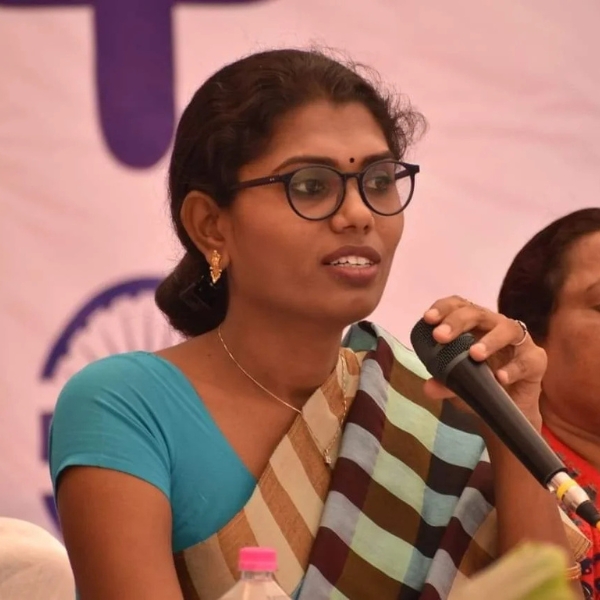
Grace eventually enrolled in a diploma program in Electrical and Electronics Engineering and completed it with honors. After persistent legal effort, she gained admission to Sri Krishna College of Engineering through lateral entry, commuting two and a half hours each way. Her early career in tech looked, from the outside, like a success story.
She was hired as a programmer and was good at her job. But when she disclosed her gender identity to management, she was initially told she could not continue. Management reversed the decision, with conditions. She left within two years. What Grace took from that experience was clarity. The tech industry's progressive reputation, in India as elsewhere, can obscure the same hierarchies that govern access to education and public life. Being allowed in is not the same as being welcomed.
Grace founded the Trans Rights Now Collective, a Dalit Bahujan and Adivasi-centered organization that treats caste as central to any serious analysis of transgender rights in India. She organized protests and initiated legal proceedings to open Tamil Nadu Public Service Commission exams to transgender people, winning a court order in 2013. She started The Queer Publishing House and self-published a book of political commentary. She has adopted twelve transgender women, several of whom are now preparing for civil service exams or achieving milestones of their own.
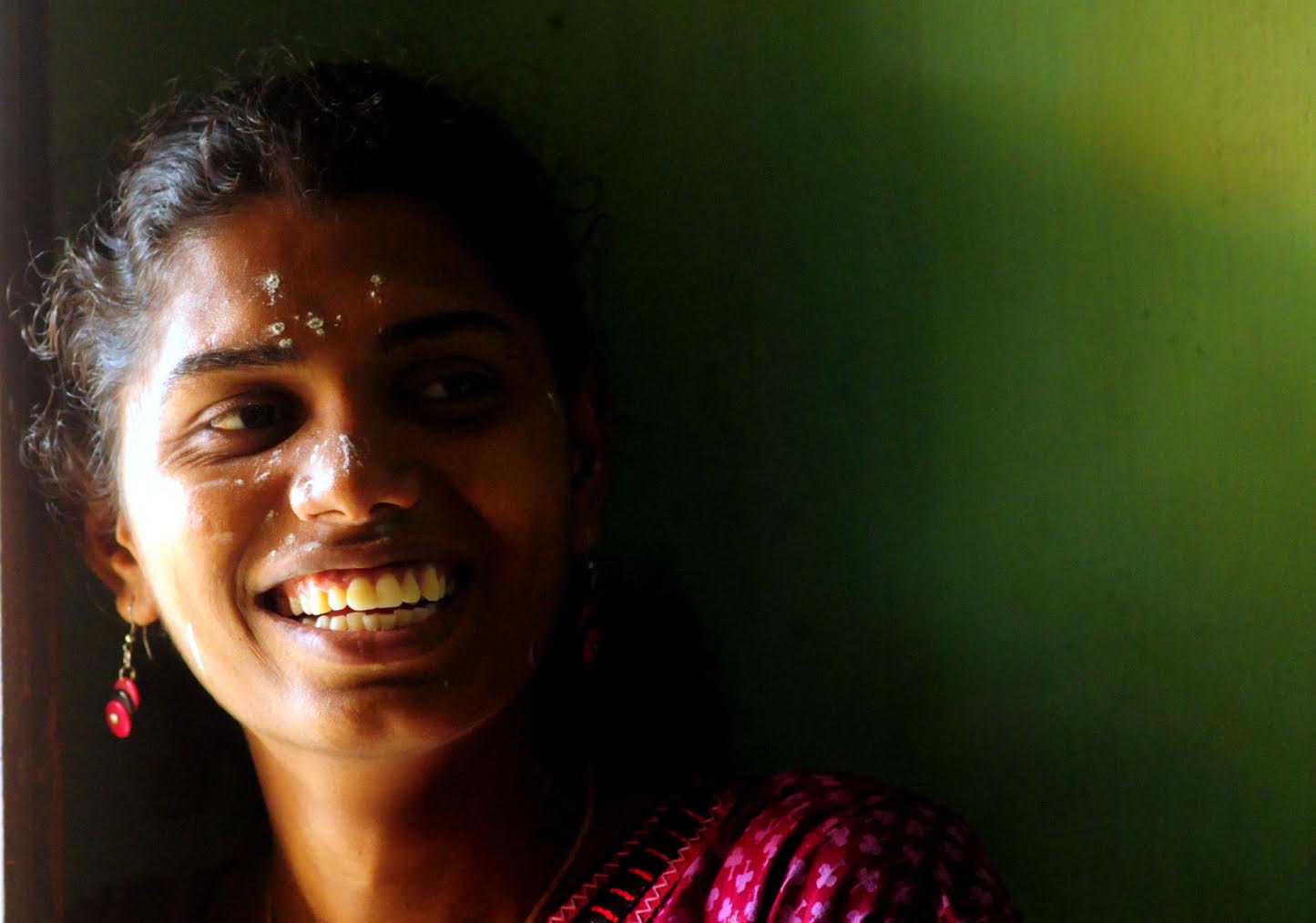
The central focus of her advocacy has been the fight for horizontal reservations. India uses a reservation system — similar in concept to affirmative action — that sets aside percentages of seats in education and government jobs for historically marginalized groups. Grace has pushed back against the practice of placing all transgender people into a single default category regardless of caste background. Horizontal reservations would instead guarantee trans persons a specific percentage of seats within each existing caste-based category, ensuring that Dalit trans people are not competing against more privileged trans people for the same limited spots.
Grace Banu is a useful reminder that queer tech history is global, and that the barriers facing LGBTQ+ people in the industry look different depending on where you are and who you are within it. Her engineering background gave her tools. Her activism is what she built with them.
References & Readings:
Grace Banu: “Welfare measures don’t empower my community, only rights do”
Grace Banu: A Dalit-Trans technologist fights for a better world