.png)
For most of my life, I thought I had a clear picture of what abuse looked like. Almost always a woman. Almost always a mother. Almost always physically beaten.
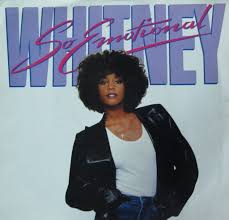
Growing up, my mother and I lived in a classic Chicago three-flat. We were on the third floor, my grandmother and uncle on the first, and in between us, a couple with two girls. One of the girls, Erin, whose name I have changed, was the same age as me, and we were two very mischievous friends. We spent hours together playing some version of a fashion show, and I was always the director. I picked the lighting, I picked the clothes, and I always picked the music. It was always Whitney Houston.
Erin and I had the kind of friendship that exists in the spaces between things. The backyard, the stairwell, the hours between when our parents came home from work. We could turn any ordinary afternoon into something worth remembering. What I didn't have language for then, and what I understand now, is that we were also each other's escape.

Erin's father was physically abusive. It wasn't a secret exactly, but it also wasn't something any of the adults said out loud. Erin and her sister would hide upstairs in my room when things got bad, and sometimes we'd camp out in the living room watching Olsen twins movies to drown out the sound of the adults and the police talking downstairs. Throughout my childhood I would also spend several nights at Erin's while my parents fought or while police were there during their ongoing custody dispute. Sometimes Erin and I would talk about what our parents were up to, often referring to it as our parents being weird. Other times we would debate which Olsen was better. The correct answer is Mary-Kate, if you're wondering.
When Erin's parents separated, she moved away. I was devastated in that total, wordless way children are when they lose someone they don't yet have the vocabulary to say they loved. The details are murky now. I was young, and no one explained anything. I never spoke to her again. I still think about her. I wonder what her life looks like, if she's happy, if she's found therapy and processed her grief, if she still listens to Whitney Houston.
Years later, in passing, I heard that her mother had died by suicide, and it was the first time anyone in my family had openly acknowledged what had happened in that apartment below us.
"Well you know he drove her to do it. He killed her," one of my uncles said. Everyone else in the room nodded along, and just like that the conversation moved on. It was the first time the situation had been mentioned in years, likely because mentioning it meant getting close to conversations no one in my family wanted to have about our own complicated history.
What stayed with me wasn't just the grief of hearing it. It was the clarity everyone seemed to have. Abuse, in that room, had a shape. It looked like Erin's father. It looked like a man with his hands on a woman,like police and emergency intervention and eventually, tragically, an ending that confirmed what everyone had quietly known all along. That shape felt clean and agreed upon in a way that left no room for anything more complicated.
Years later, I would find myself frantically googling free resources in my area after a particularly violent situation with my own partner, genuinely unsure whether what I had experienced counted as abuse at all. That’s the thing about a clean definition. It has a way of leaving people out.
I met her when I was not yet 18. At the time I felt like I knew everything.
I had been a parentified child for most of my life. My mother was an addict, often too distracted with her own struggles to notice much of what I was getting into, and so I had been navigating the world largely on my own for longer than I care to admit. I had spent hours in AIM chatrooms, lots of time deep in forums, using the internet to explore in the way that unattended kids tend to do. When I met her it was because I sought her out, and so from the beginning I told myself it was completely normal. I liked that she was older. It made me feel cool, mature, and above all desired. Like wow, I am hot and someone worth wanting, something I hadn't particularly felt as a chubby teenager among my peers. I liked that she gave me attention and trusted me with her secrets. I mistook her vulnerability for actually valuing me. I thought that it meant I mattered to her. I wince at the word groomed, but for all intents and purposes, yes, that's the word I would use.
Eventually I turned of age and things continued on the way they had started. We fought a lot, about small things, things I wrote off as her caring about me. She didn't want me talking to other masculine or butch people, not even friends I had known for years. She told me it was a matter of respect, and so I believed her. I didn't ever want to make her feel undervalued. Over time that idea of respect extended to other parts of my life. Who I considered a friend. The clothes I wore. The things I did online. She started planting seeds of doubt about the people closest to me. They canceled on you because they don't care. They probably sit around and talk about you. They don't love you like I do. Meanwhile my wardrobe and my writing became points of contention. I had been exploring fashion and writing about it on a blog, and at the time body positivity conversations were everywhere online. I wanted to wear a crop top. I bought one from American Apparel and for the first time in a long time I felt like a really cool, hot girl.
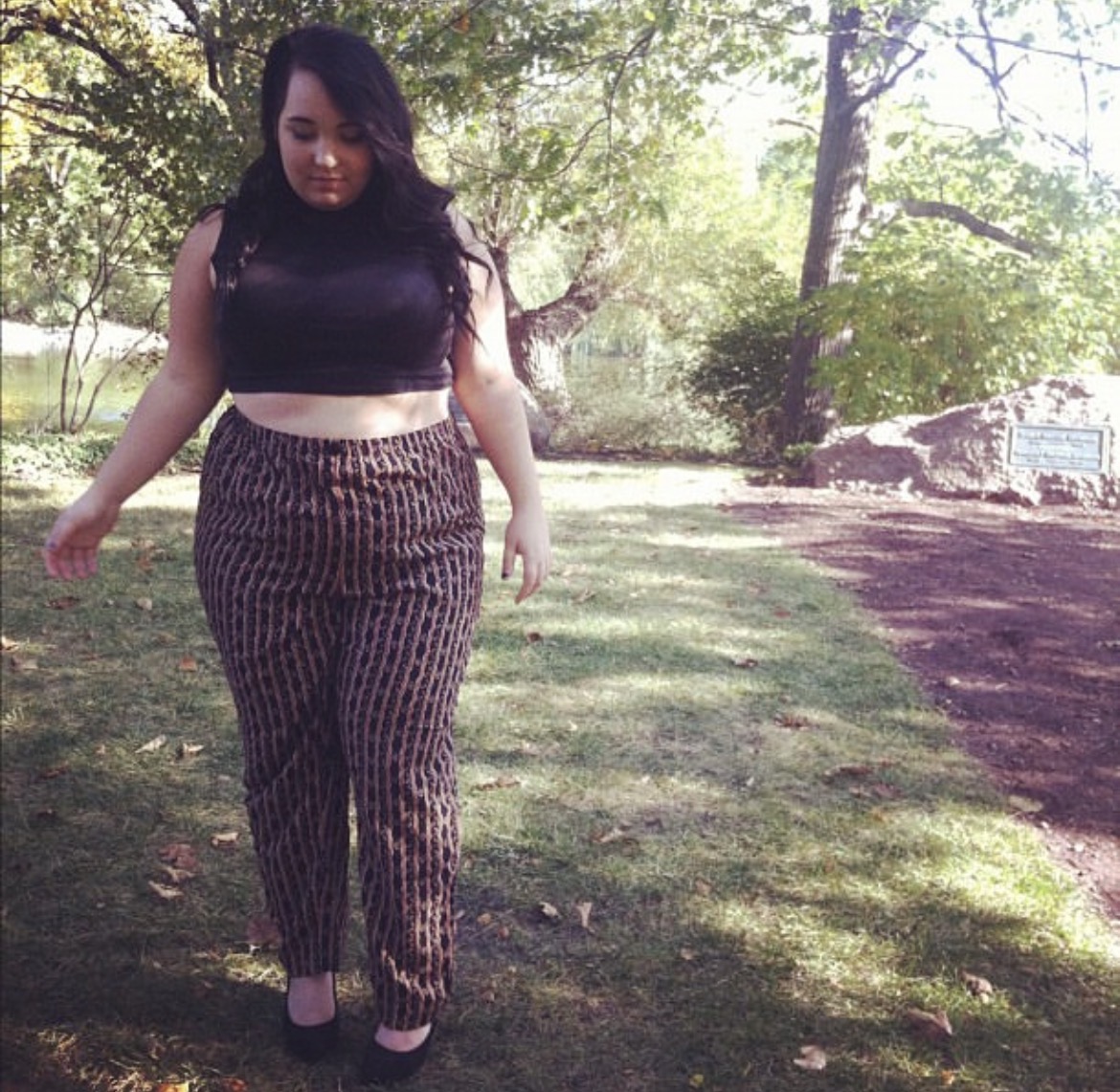
I was so excited to wear it. When she picked me up for a date I had it on, and she looked at me and called it a whore top. She told me to never disrespect her by wearing it again.
In the moment I felt so small and so embarrassed. I told myself I was being frivolous. That I should have been more considerate of her feelings. That yeah, I felt good, but life is also about how you make the people you love feel. And so I folded the shirt and put it away and told myself her reaction was completely normal. Something that happens between partners.
Over time my world became smaller. The pattern became familiar in the way that patterns do when you've lived inside them long enough. We'd have a massive fight, tensions would escalate into a screaming match, she'd throw something, and then we wouldn't speak for a few days. She'd return with a gift and take me out to a nice dinner. I started to think of things as unhealthy, sure, but never abusive. Unhealthy felt like a category I could live with. Abusive felt like something else entirely, something that belonged to a different kind of story.
I didn't tell my friends when we fought, but eventually I couldn't contain it anymore. A close friend witnessed her blow up at me while we were out of town together. I ran to the bathroom with my friend and stayed there for a while, crying and embarrassed, not about what she had done but about what I had let my friend see. I felt extreme guilt for exposing them to that situation. I feared for their safety. We have talked it over many times throughout the years and are in a very good place with it now, but I still carry some of that guilt, even knowing I didn't yet have the skills to tell anyone what I was going through, and most importantly that I had potentially exposed my friend to violence.
After that blowup it was more of the same. Five years in, I had started to think maybe it was more than just unhealthy. But I didn't know where to look or what to do or whether looking and doing anything was even something I was allowed to consider.
Then one day we got into a fight that got physically violent quickly. In that moment I felt like my life was in danger. She became a completely different person, erratic in a way that genuinely scared me. I didn't want police involved, for several reasons, namely that I knew it wouldn't end well for either of us. Once I managed to get her out of my house I sent her a text saying I was ending it and blocked her number. I spent the next few days in bed, shaking, every light in the apartment on. My heart would beat out of my chest at the sound of wind against the trees.
A week or so later, I made an appointment with a domestic violence shelter and told no one. The address wasn't publicly listed, but I knew right where it was. It was a few blocks from my childhood home, which oddly made me feel some comfort. I was in a familiar area, near stores I grew up walking to and parks I spent time playing in as a kid.
When I walked in I felt uncomfortable. The waiting room felt a little dated, worn in the way places are when they're underfunded and overused, and I didn't see anyone in the pamphlets or posters who looked like me. I felt like I was taking up space that belonged to someone else. There were women with children. Women who needed emergency shelter that night. Women navigating the legal system, custody battles, restraining orders. Who was I to be there? I had never been hospitalized. My abuse wasn't obvious, or so I told myself, even though in hindsight it was. I felt like I should apologize for needing help at all.
In my first meeting with a therapist there, I did exactly that. I apologized for being there. She told me that was okay, and asked if I might want to come to group therapy to meet some of the other women. I obliged, and for the first few sessions I didn't talk at all. I just listened.
Sometimes people would talk about what they were going through. Other times we'd talk about whatever was popular on TV. Scandal was a huge point of conversation in that room, and honestly, I understand why. Everyone loves Olivia Pope.

I kept coming back over the next few months, and slowly I made real friends with a lot of the women there. I watched people cycle in and out, a pattern I started to recognize before I understood what it meant. Throughout my time there I unfortunately lost one of the women I went to group therapy with to an act of violence at the hands of her partner. I think of her tenacity often and can only hope she has found peace.
I made a lot of genuine connections with the women in that room, and somewhere in those months I started to understand that everything I had experienced had, in fact, been abuse. My relationship hadn't looked like theirs. They weren't queer, but what we had experienced was strikingly similar. The fear. The reasons we all had for staying quiet, for not calling the police, for not going to court. And underneath all of that, the same quiet hope that things could eventually be different.
At that point I also started exploring group therapy for intimate partner violence at an LGBTQ+ center in Chicago. I thought I had finally found the place where I would feel fully understood, where I wouldn't have to explain the parts of my story that made people's eyes glaze over with confusion. I felt like I wouldn't have to constantly come out, that my sexuality, and thus what I was navigating, would simply be seen. But I was the only woman in the room.
And I won't lie, it gutted me a little. I had wanted so badly to find community, and for a moment I thought I finally had, only to realize I still didn't quite fit. In a lot of ways I felt more isolated in that space than I had anywhere else.
So there I was, caught between two rooms, not fully seen in either one. At the women's center I was grateful for the support but growing tired of constantly having to come out to new people. The default assumption among new participants was almost always that the abuse I had experienced was at the hands of a male partner. Some people were kind about the correction and apologized for assuming. Others seemed confused. A few didn't seem to believe it was possible for one woman to do that to another. I don't harbor much ill will toward any of them. I think most of them were still deep in their own trauma, and understanding the full range of how gender and sexuality shape abuse is hard to learn when you're in the thick of surviving your own.
But it was lonely. I felt, for a long stretch of time, like I was the only lesbian I knew who had experienced this. Like I had somehow done the whole thing wrong. I worried about whether I would ever find a future partner who could accept that I had lived through that dynamic, because I had quietly convinced myself that things like this weren't supposed to happen to educated, feminist, queer women. As if a degree or the right politics could inoculate you against violence. As if abuse only happened to women who hadn't done the reading.
During this time I hadn't heard from my ex. It had been six months of working to regulate my nervous system, of slowly remembering what it felt like to exist without bracing for something, when one day she showed up at my house unannounced.
She was emotional. A family member of hers had been in a car accident, one that ended with her cousin passing away and other family members in the vehicle sustaining lifelong injuries. She asked me to come with her to the funeral, and at first I agreed.
I never made it to that funeral. Several events transpired, and while she showed up to drive me, her behavior alarmed me, and even though I got in the car, I quickly made her change course. I told her she could never show up at my house or contact me again, or I would press charges. And just like that, she never appeared again. Most importantly, I said it in front of her friend, who was with us in the car.
Over time I worked to rebuild the friendships I had let go slack during those years. Several close friends and I didn't speak for close to a year, because the version of myself who existed inside that relationship had become someone they didn't recognize. I was difficult. Mean and short with people who didn't deserve it. Unsupportive of their own struggles, and worst of all, I had stopped being fun. Rebuilding those relationships was hard, mostly because I was embarrassed. I was embarrassed to admit that the person they used to spend so much time with wasn't as smart or as progressive as I had always wanted to be seen as. I worried they would think I was a bad feminist.
It was, of course, the exact opposite of how they saw it. They told me it had felt far more complicated than that, and that they had needed to create distance for their own safety and their own mental well being. I am, in all honesty, happy they did. It's something I would tell anyone whose friend is in denial about the level of intimate partner violence they're experiencing. But they held the door open when I came back, and we figured the rest out together. Not without a lot of crying.
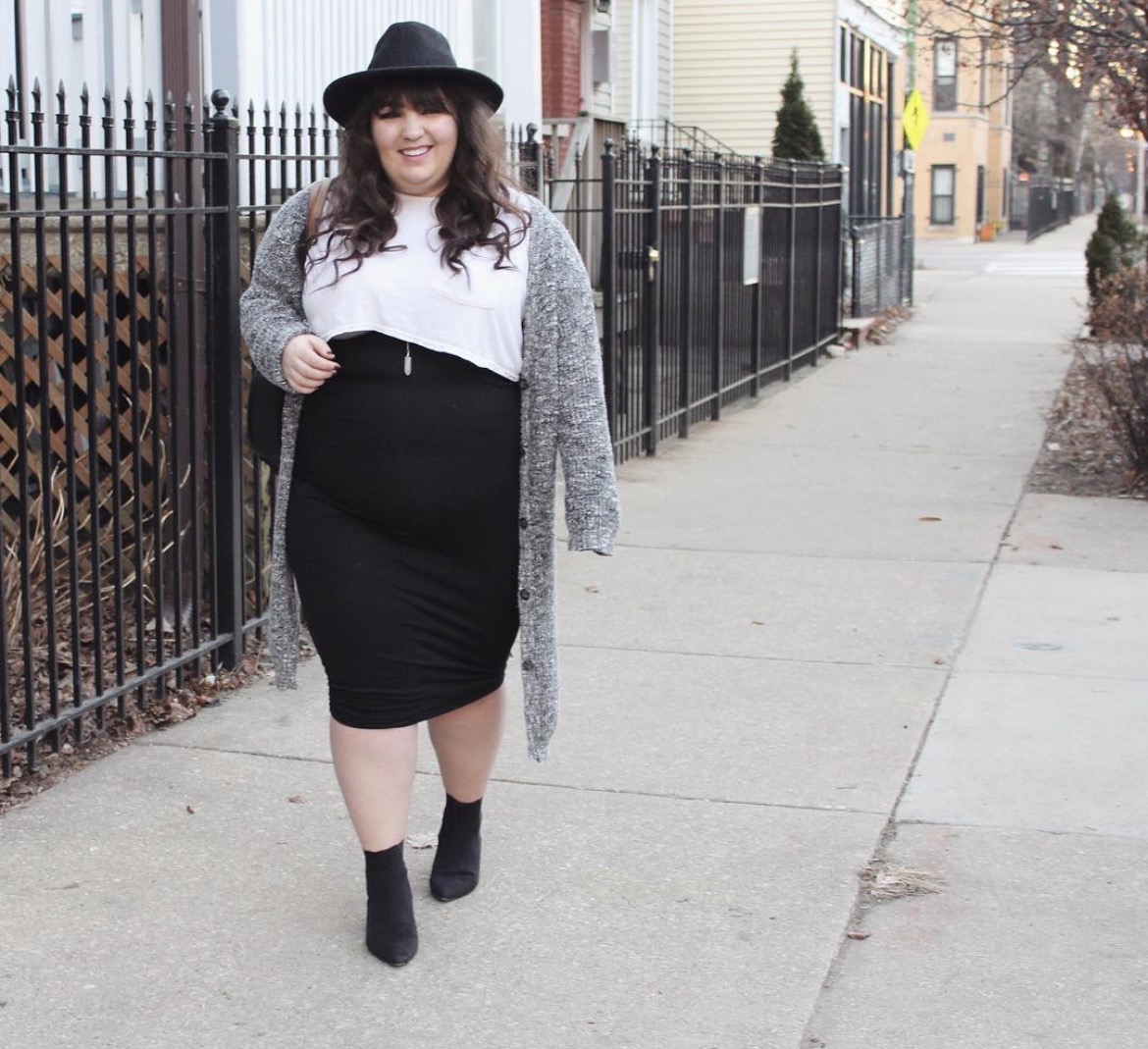
It's been almost fifteen years since that relationship ended, and I'm very much on the other side of it now. But I still think so much about intimate partner violence is misunderstood, especially as it pertains to queer women. There are a lot of jokes about the intensity of lesbian relationships, jokes that aren't untrue, but I sometimes wonder if that framing gives leniency to behavior that is anything but funny. The idea that abuse can be perfectly wrapped in a bow. The idea that the experiences of queer women mirror those of our heterosexual peers, when so often they don't. There are added difficulties around visibility too, in a world that wants queer women to be sexualized but not actually seen. And I particularly worry about how much harder it has become to find resources for LGBTQ+ people experiencing IPV in the current political climate, at the exact moment those resources are needed most.
The numbers tell part of the story. Forty four percent of lesbian women experience rape, physical violence, or stalking by an intimate partner in their lifetime, compared to thirty five percent of heterosexual women. Bisexual women experience the highest rates of any group, at sixty one percent. And more than half of transgender and non-binary people, fifty four percent, have experienced intimate partner violence at some point in their lives. So many of us carry this. And still, it manages to feel so isolating to carry it.
There are so many intersections of identity that make support feel impossible to access, and I genuinely don't think the larger world is ready for how complicated and life altering abuse actually is. There is still a very clean definition of what it's supposed to look like, and for a long time I didn't think my relationship fit inside it, even though, looking back, the signs were always there.
I think about Erin sometimes, still. I think about two girls trading apartments depending on whose night it was, playing it off the next day with another fashion show, another walk through the backyard. My life right now feels a little like Orbital's Halcyon + On + On, the way it exists somewhere in the context of my past, as tumultuous as that past was, and still manages to feel peaceful now. I didn't have language then for what we were doing for each other, and it took me years to find language for what was happening to me. I hope, wherever she is, that she found hers too.
Resources:
LGBTQ Domestic Violence Awareness Foundation
National Institute on Intimate Partner Violence
Like what I have to say? Support me and subscribe to my newsletter.