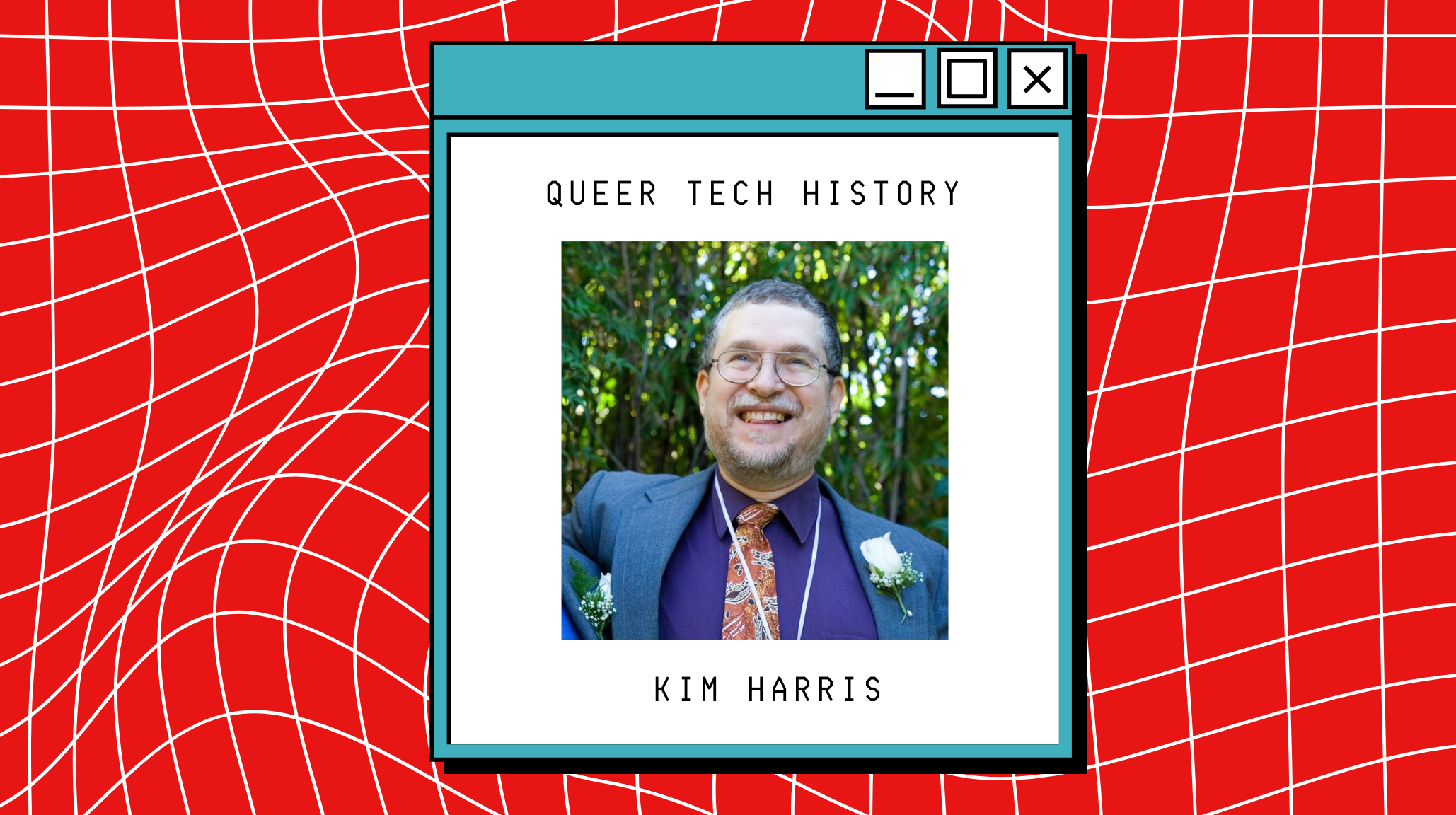
In the mid-1980s, Kim Harris, a manager at Hewlett-Packard, discovered that the company was quietly denying AIDS-related health coverage to former employees — this at the height of the AIDS crisis. Frustrated and disheartened, he decided to do something about it, walking into HR and pushing until the policy changed. It was a small crack in a very large wall, but it was the beginning. Over the years that followed, Harris would slowly reshape one of Silicon Valley's most conservative tech companies from the inside, laying groundwork that looks a lot like the foundation of modern employee resource groups for Queer people in tech today.
Harris didn't arrive in the Bay Area as an activist. Born in 1946 in Texas, he studied physics at Louisiana State University, then earned his master's in computer science at Purdue. He came to Silicon Valley in 1974 to work on a supercomputer for NASA. He was not yet openly gay.
Coming out was gradual. As he slowly told friends and colleagues, he found his way to a gay men's discussion group at Stanford. It was there, in 1982, that he met software engineer Bennet Marks. The two began a relationship that November. By 1983, Harris was attending meetings of High-Tech Gays, the San Jose organization that had formed earlier that year and would later force the federal government to defend its discriminatory security clearance policies in court.
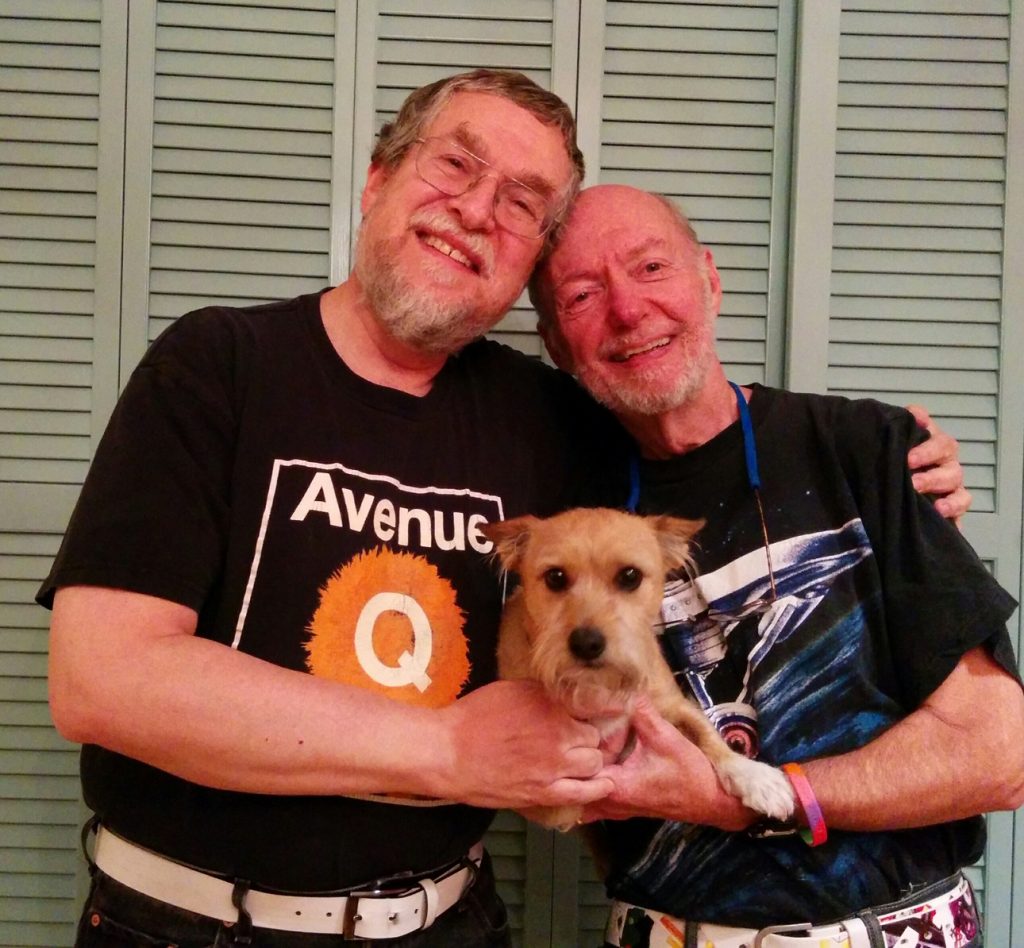
When Harris arrived at HP in 1984, the company had one of the valley's earliest unofficial gay employee networks and some of its most entrenched resistance to formalizing any of it. Harris began methodically, parsing HP's health benefits until he found what he was looking for. AIDS-related coverage for former employees, previously denied, was now on the table.
The harder fight was nondiscrimination policy. When HP executives voted on it, they voted unanimously against. Harris didn't accept it. He organized reader's theater performances for dozens of executive staff, staging personal accounts from employees who had faced harassment, discrimination, and loss during the AIDS crisis. The stories did what policy arguments couldn't. A year later, the vote came back unanimous in the other direction.
The wins at HP came later and harder than at Apple, where Harris's partner Bennet Marks had founded Apple Lambda in 1986 and helped push the company to become what many consider the first Silicon Valley firm to adopt formal nondiscrimination protections. But that difference in timing mattered. When HP moved, it signaled that even the valley's old guard wasn't immovable.
Harris knew the work didn't stop at the company gate. Through the 1990s, he joined the Parents and Friends of Lesbians and Gays speakers bureau, served on the board of the Billy DeFrank LGBT Community Center, participated in the Peninsula Business and Professional Association, and joined the HRC Business Council in 1998. He sang with the Silicon Valley Gay Men's Chorus and contributed to Outlet and Outlook TV.

Harris retired in 2001. In September 2008, he and Marks married, weeks before California's Prop 8 temporarily ended that right for same-sex couples in the state.
Harris's story lands differently now. The tech industry is in a deeply transitional moment, and many companies are bending to an administration that has been openly hostile to LGBTQ people. The rights and protections that advocates like Harris spent decades building inside corporate walls are no longer guaranteed. That makes preserving this history not just an archival exercise but an urgent one. Queer people deserve to contribute to the economy, to have careers and families and ambitions, and to feel psychologically safe doing so. That was true in 1984 and it is true now.
What Harris modeled was also a reminder that activism doesn't have one shape. He was parsing health benefits spreadsheets and organizing theater performances for executives and showing up, persistently, in the rooms where decisions got made. His work is proof that there is no single right way to fight for your community — only the way that is available to you, and the willingness to use it.
References & Readings:
Proudly Out: Queer Silicon Valley Preserves Local LGBTQ History
Queer Silicon Valley